Stronger Bones, Stronger You: How Strength Training Supports Bone Health as We Age

Strength Training: A Powerful Tool for Supporting Bone Health

When many people think of strength training, they imagine building muscle, improving fitness, or boosting cardiovascular health. But strength training offers another powerful—and often overlooked—benefit: improved bone health. As we age, this becomes increasingly important for maintaining independence, mobility, and overall well-being.

Understanding Osteoporosis and Its Connection to Muscle Health

Osteoporosis is a common condition in older adults, characterized by decreased bone density and an increased risk of fragility fractures. Closely linked to osteoporosis is sarcopenia, a condition involving the loss of skeletal muscle mass, strength, and function.

These conditions are closely connected because muscles and bones work as a team—they share anatomical, metabolic, and chemical pathways. When muscle strength declines, bone health often follows, making it essential to consider both together.

Why Strength Training Matters

Exercise—particularly resistance training—has consistently been shown to be one of the most effective ways to counteract age-related declines in both bone and muscle mass.

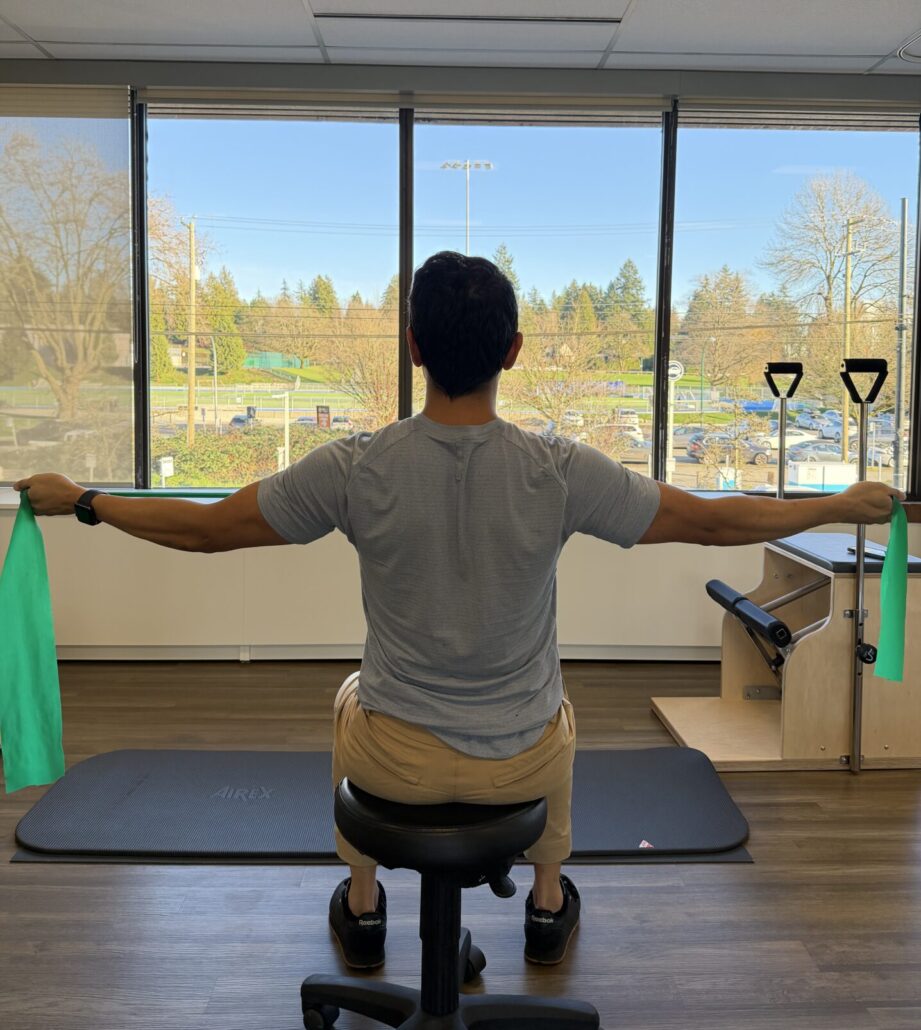
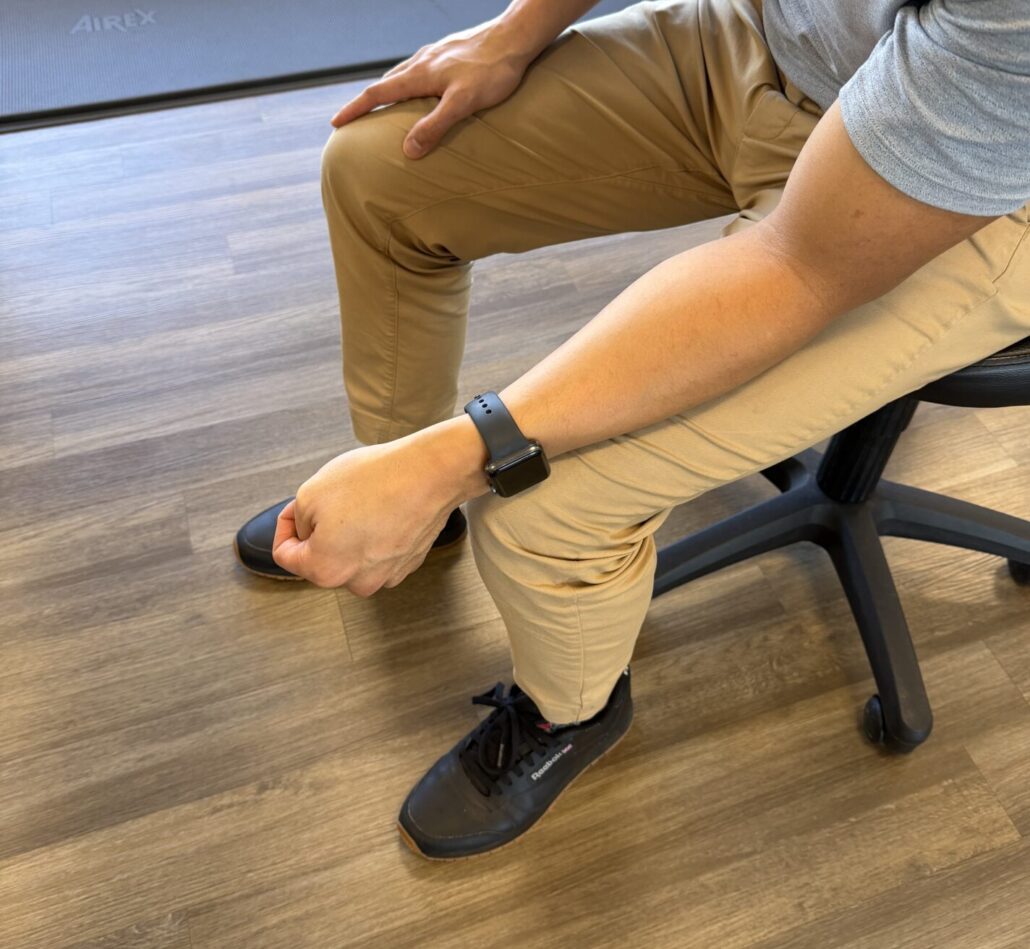
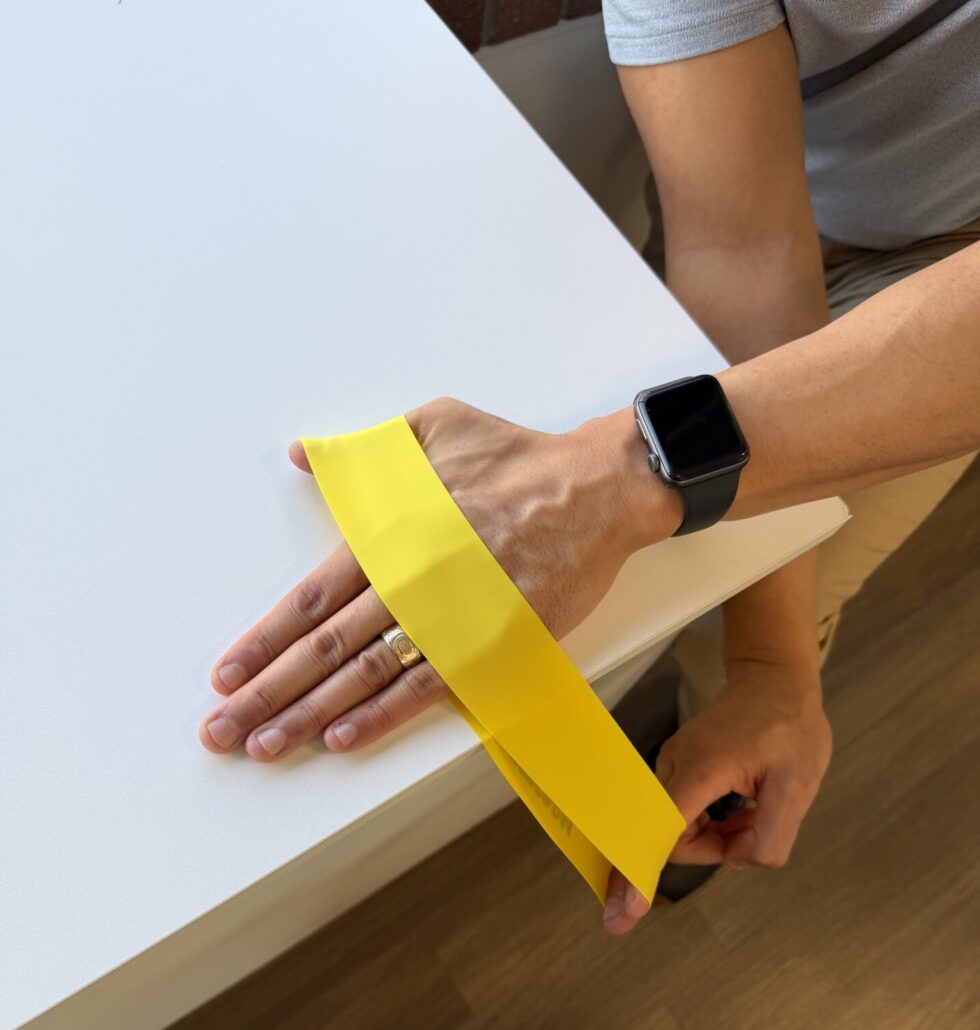
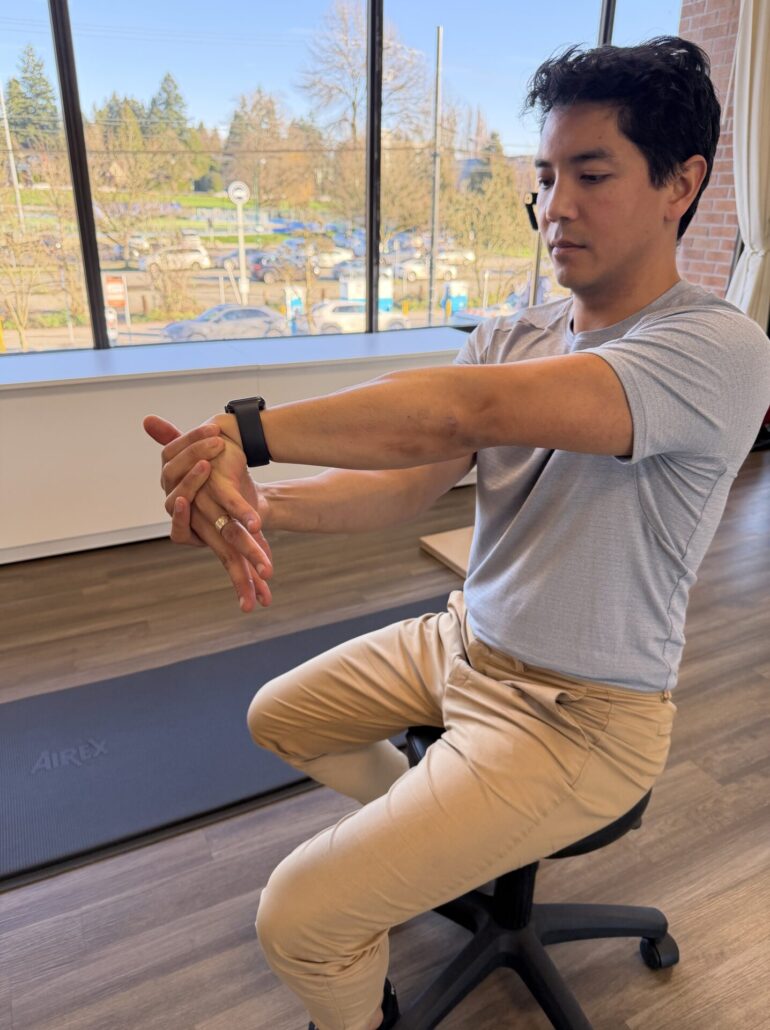
Resistance training may include:

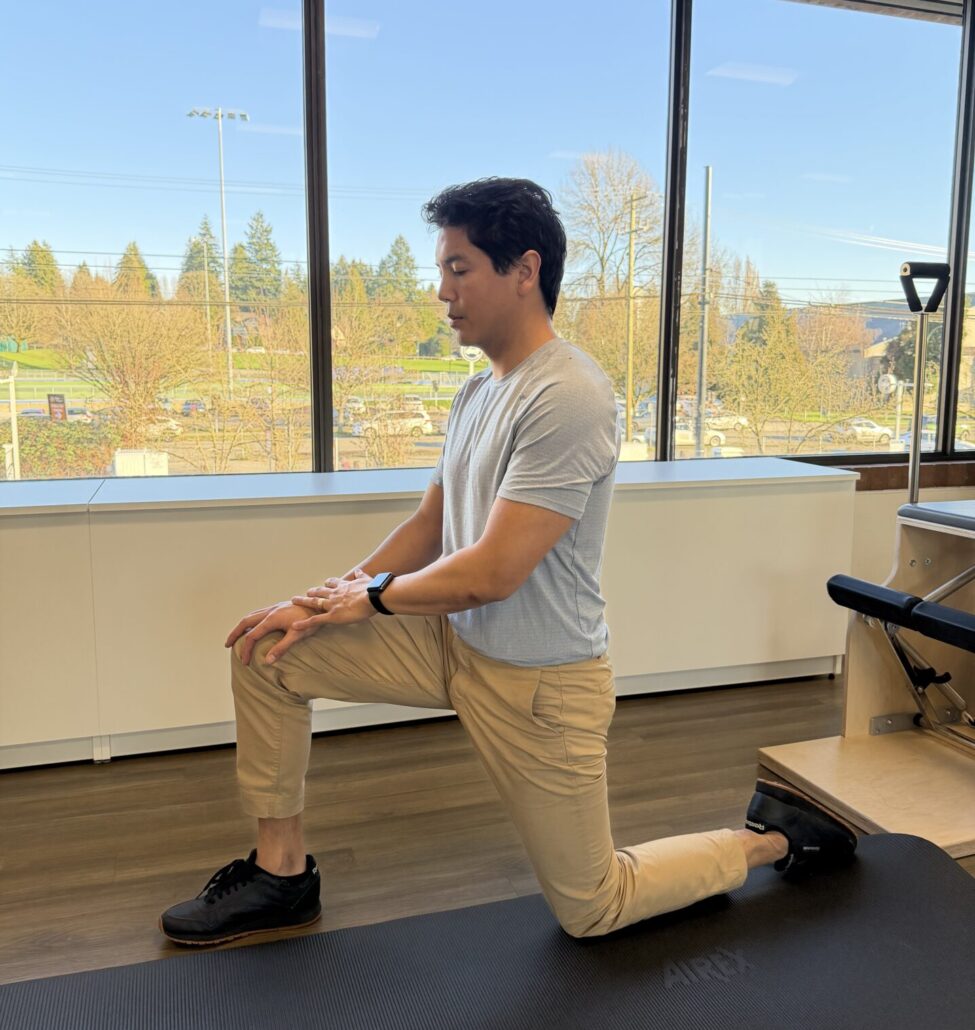
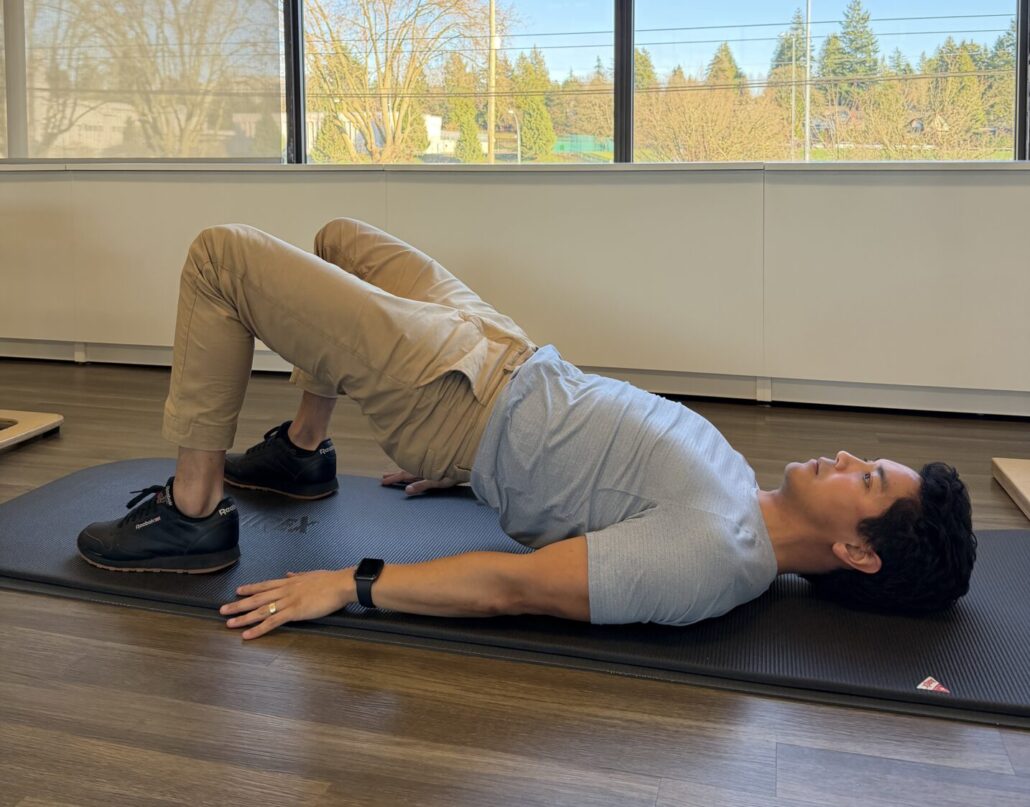
  • Body weight exercises
  • Free weights
  • Resistance bands
  • Cable or weight machines

As muscles contract and generate force, they create beneficial stress on the bones. This stimulates bone-building cells and helps maintain or improve bone density over time.

Simply put: strong muscles support strong bones.

How to Begin a Strength Training Routine

You don’t need to be a lifelong gym-goer to benefit from strength training.

Physiotherapists and Kinesiologists can perform personalized assessments and develop targeted exercise programs tailored to your health status and goals—especially helpful for individuals with osteoporosis or those concerned about injury prevention.

Make sure to read to the end for a video demonstrating simple resistance exercises to get you started!

Take the First Step Toward Stronger Bones

Ready to build strength, confidence, and healthier bones? Here are three ways to get started:

  1. Book an Assessment: Schedule an appointment with one of our Physiotherapists for a customized strength and bone-health program.
  1. Join a Beginner Strength Class: A safe, supportive environment to learn proper technique and gradually build strength—perfect for those with osteoporosis or new to resistance training.
  1. Try Our Starter Exercise Routine: Watch the video included below and follow along at your own pace to begin building foundational strength today.


Your future mobility, independence, and confidence start with a single step. Let’s take it together.


By Christianna Cheung

The Contact Continuum: Considerations, Targets, and Structure

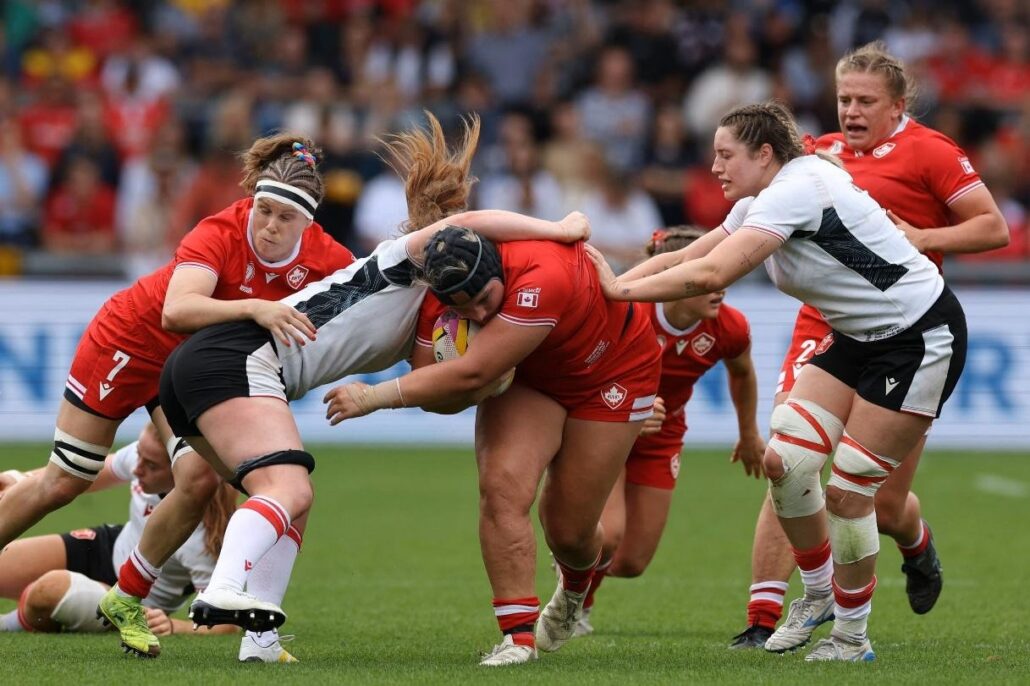
The 2025 Women’s Rugby World Cup Final was played just a month ago in front of record-breaking crowds, and Canada’s dominance through the tournament reflects the rise in contact sport participation in Canada². As good as it feels to break a tackle or slip past a hard check, we know it doesn’t always go according to script. Whether it’s an ankle knock, a shoulder issue, or even a concussion, we’re here to make sure you have a concrete plan to get back on your feet efficiently and safely.

Contact Considerations

It goes without saying – contact is complicated! Regardless of the sport, entering contact is technical and requires a careful combination of learned skill and physical force¹⋅³. When breakdowns in these areas occur, injury risk can increase—which might mean you’re checking in with our team sooner than you may have expected. 

A physiotherapy initial assessment will gather information regarding your injury and will test different structures depending on the nature of your injury. This helps us understand the severity of your injury and determines where the recovery starting line is. Remember, this is a team effort! An effective recovery plan is a collaborative effort between the therapist and you – there are no cookie-cutter rehab programs here.

I’m Out of Pain – Now What?

Stepping back on the training pitch can feel daunting, but this is where a structured rehab approach really shines. There’s a fine balance to keep: too aggressive and we risk re-injury, but being too cautious can lead to unnecessary delays. Your physiotherapist will work with you to determine your specific training targets depending on your injury and sport demands to make sure you get back to training safely, efficiently, and confidently, which could look like the example below.

Sample  Return to Contact Progression

In-clinic Testing

– Indicated by the type of injury, your physiotherapist may test for limb strength asymmetries, muscular/cardiovascular endurance, reaction time, and/or sport-specific balance.

Non-contact training

– Individual or team training focused on technical skills at an increased intensity without contact. Typically completed without protective equipment to encourage a focus on technical quality without the “autopilot” contact focus to build confidence on-feet.

Contact Exposure – Pads

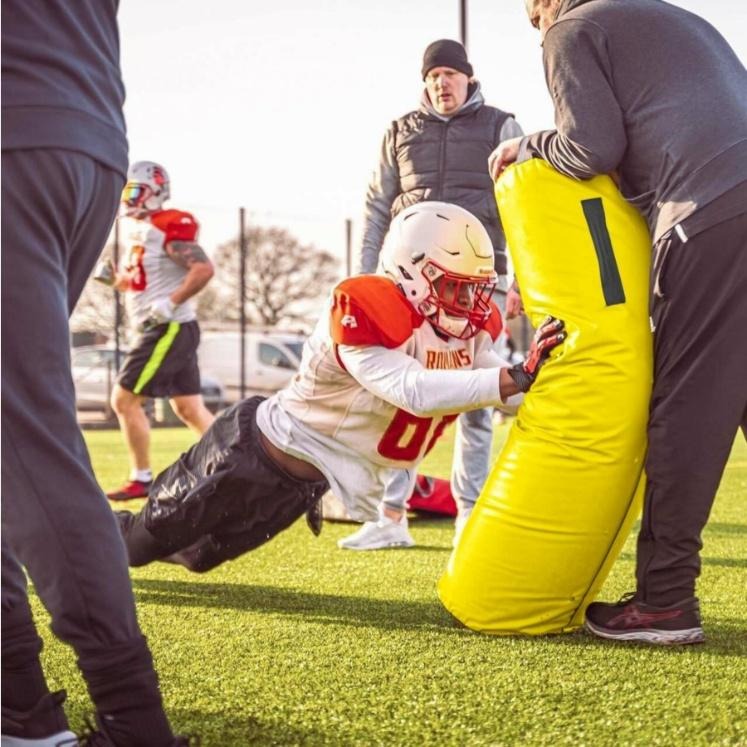
– Team training where contact is initiated by you against a tackle bag or foam cushion. Specifically non-person contact to build confidence and dose intensity appropriately. This session may also include you receiving contact from these tackle bags, but not directly from other players.

Contact Exposure – People

– Team training with individual drills where you give and receive contact to/from other players in controlled drills. This is typically submaximal at a “training intensity”.

Contact Exposure – Match Simulation

– Team training at full match intensity with full contact in short durations. This typically starts with controlled drills and should progress to unstructured or unplanned reactionary match situations.

Match Play

– A reduced-minutes return to match exposure.

Return To Play Monitoring

Stepping back into the matchday squad is an exhilarating feeling, but this doesn’t mean you’re being thrown back without support. Your physiotherapist will continue to modify your Return To Play structure as needed in collaboration with your coaching staff and yourself to make sure the last pieces of the rehab puzzle go according to plan. There should be a smooth handoff from your rehab team back to your performance team, and you can continue check-ins with your physiotherapist through this process as needed.

Taken a knock and looking to get back on your feet? Come by for a chat and let’s get started!

Written by: Ben Dyck


References:

  1. Martin, E., Beckham, G. Force production during the sustained phase of Rugby scrums: a systematic literature review. BMC Sports Sci Med Rehabil 12, 33 (2020). https://doi.org/10.1186/s13102-020-00174-z
  2. Sport Participation Among Children and Youth. Canadian Fitness and Lifestyle Research Institute. (2024, June 25). https://cflri.ca/publication/sport-participation-among-children-and-youth/ 
  3. Trewartha, G, Preatoni, E, England, ME & Stokes, KA 2015, ‘Injury and biomechanical perspectives on the rugby scrum: a review of the literature’, British Journal of Sports Medicine, vol. 49, no. 7, pp. 425-433. https://doi.org/10.1136/bjsports-2013-092972 
  4. Image 1: Adrian Dennis AFP
  5. Image 2: Networld Sports

The Basics of BPPV: Positional Vertigo

Summer is here and that brings more outside time and fair weather. Activities like gardening and yard work are frequent, and sports like golf, tennis and swimming encourage us to spend time outside enjoying all that Vancouver has to offer. But have you ever found yourself moving into a position where you are bending over, looking high up or tilting your head to one side and suddenly the outside world appears to be moving?  It can be a very unsettling feeling, even if it doesn’t last long.


Vertigo is the sensation of the outside world spinning.  It is a symptom, but not a diagnosis.  The incidence is quite common, as much as 1 in 15 adults will have an episode of vertigo in their life, according to an Ear Nose and Throat Doctor teaching at Columbia University.  One of the causes of vertigo that we see at Treloar Physiotherapy is a condition called Benign Positional Paroxysmal Vertigo (BPPV).  It is important to note that BPPV is not the only cause of vertigo, but it is the most common.  Here is some basic information about BPPV:

What is it?

  • BPPV is a problem that occurs in the vestibular system that causes a sensation of spinning for short periods of time when the head is moved into certain positions.
  • The crystals that are located in sacs within the inner ear break free, moving into one of the semi-circular canals of the inner ear.
  • When your head moves, the crystals float through the canal and continue to move even after you stop moving. This creates a temporary spinning sensation (vertigo) that comes on with specific head movements.

What causes it?

  • In most cases, we do not know what causes the crystals to break free and move into the semi-circular canals.
  • Very few cases occur because of a physical blow to the head (ie something that ‘knocks’ the crystals loose).

What movements trigger the vertigo symptoms?

  • Big movements that involve bending over and looking down – emptying the dishwasher, weeding the garden, bending low to pick up something under the bed, tying shoes, putting the golf ball on the tee (!).
  • Looking up at something high – getting ready to prune the tree, changing a light bulb (we don’t do this as often anymore thanks to LEDs!), a high tennis serve toss, looking up/leaning head back while washing your hair.
  • Changes of position – moving from lying down to sitting up or vice versa (ie in/out of bed, getting up/down off an exercise mat) or turning your head/rolling to one side while lying down.

How long does the vertigo last?

  • With BPPV, the vertigo sensation itself typically lasts less than 1 minute, and not more than 2 minutes (it can often feel much longer in the moment!). The symptoms will recur as the head and body move into the provoking positions.
  • There can also be a sensation of imbalance while moving/walking or mild nausea when someone is suffering with BPPV and this can occur more frequently.

How do you treat BPPV?

  • BPPV can be treated very effectively with a re-positioning maneuver – essentially using gravity and the position of your head to move the crystals out of the affected canal and back to their normal resting position. When this happens, and the crystals are ‘back in their home’ the vertigo symptoms go away.

Many people use the internet to look up home treatment for BPPV and often read about the ‘Epley Technique’.  This is the most commonly performed re-positioning maneuver for BPPV; but it does not treat all types of BPPV.  The Epley is only effective for one type of BPPV. The key to effective treatment involves: figuring out which ear has the problem (it is usually only one ear), determining what canal the crystals are stuck in, and effectively applying the correct treatment technique.  If the wrong technique is used, or done incorrectly you will not likely cause damage, but you can make yourself feel pretty rotten and it will not solve the problem.


A physiotherapist who has studied vestibular rehabilitation will take you through an assessment that will involve the following:

  • A thorough history of your symptoms and current challenges.
  • A safety screen to rule out more serious causes of vertigo.
  • A physical assessment to determine if BPPV is the cause of the vertigo and how to best treat it.


Often treatment can be done in the same session.  Assessment and treatment for BPPV does involve reproducing the symptoms of vertigo – but it’s worth it when the vertigo is gone.  Don’t let vertigo get in the way of enjoying the activities that you enjoy, especially in the summer season!

Call one of our clinics or book online (www.treloarphysio.com) to make an appointment with one of our physiotherapists trained in vestibular rehabilitation.

Written by Stacy Benmore (Physiotherapist, Treloar Physiotherapy Kerrisdale). 

Is Back Pain Holding You Back? Discover a Path to Recovery and Strength through Clinical Pilates

Back to School Blueprint: Prioritizing Sweat, Step, Sleep, and Sit for Well-being

Back to School Blueprint: Prioritizing Sweat, Step, Sleep, and Sit for Well-being

Are your children ready for class and all their extra-curricular activities coming September? The Canadian Guidelines for Physical Activity have provided a few recommendations to help encourage youth to live a healthy lifestyle.

1. Sweat:

An accumulation of at least 60 minutes of moderate to vigorous physical activity involving various aerobic activities. Vigorous physical activities and muscle and bone strengthening activities should be incorporated at least thrice weekly.

2. Step:

Several hours of a variety of structured and unstructured light physical activity

3. Sleep

Uninterrupted 9-11 hours of sleep per night for those aged 5-13 and 8-10 years hours per night for those aged 14-17 years with consistent bed and wake-up times.

4. Sit:

 No more than 2 hours per day of recreational screen time; limited sitting for extended periods

Returning to Sports?

If your children are returning to a specific sport or activity this fall, consider the following tips to avoid injury. A common cause of muscle injury is overload – doing too much too soon. Muscle strains occur when the tissue exceeds its loading capacity. Here are a few tips to help manage the risk of injury: Arrive 15-20 minutes before practice to ensure adequate warm-up before activity. 

  1. Sport-specific training (i.e. a warm-up for a baseball player should incorporate sprint training in addition to catching/throwing drills) 
  2. Gradual increase in training load, otherwise known as volume (try to increase one of the following variables at a time: frequency, intensity, duration) 
  3. Get yourself back to baseline (this includes a low-intensity activity to help you lower your heart rate, hydration, refuelling & rest) 


Conclusion

Physiotherapists can assist with injury prevention, sport-specific training and recovery from injury. If you have more questions, contact one of our experts at Treloar Physiotherapy! 


By Jamie Mistry (Registered Physiotherapist, Treloar Physiotherapy Kerrisdale)