Is Needling the Same as Traditional Chinese Acupuncture? Dry Needling vs Acupuncture Explained
TLDR
Dry needling and Traditional Chinese Acupuncture both use thin needles, but they are not the same treatment. Dry needling practiced by physiotherapists is guided by Western anatomy, movement assessment, and pain science, while Traditional Chinese Acupuncture follows meridian-based pathways rooted in Traditional Chinese Medicine. Understanding the difference helps you ask informed questions and choose the approach that fits your goals and health history
If you have heard the word “needling” at a physiotherapy clinic and wondered whether it was the same thing as acupuncture, you are not alone. The question comes up often, and the confusion is easy to understand. Both treatments involve thin needles. Both are sometimes sought by people dealing with pain, stiffness, or movement problems. From the outside, they can look nearly identical.
The important distinction is not what the needle looks like. It is why the needle is being placed where it is, and what framework the practitioner is using to make that decision. That difference in clinical reasoning is what separates dry needling from traditional acupuncture, and it matters when you are deciding what kind of care fits your situation.
This post walks through what each approach is based on, how physiotherapy dry needling fits into a broader rehabilitation plan, what acupuncture meridian pathways mean, and what questions you should feel comfortable asking before agreeing to any needle-based treatment.
Why Do Patients Often Confuse Needling and Traditional Chinese Acupuncture?
The confusion is understandable because the visual experience of both treatments is similar. A practitioner inserts a fine needle into the skin, there is often a mild sensation, and the goal involves some form of relief or improved function. For anyone unfamiliar with the clinical reasoning behind each approach, the two treatments appear interchangeable.
They are not. Two treatments using similar tools are not automatically the same treatment, any more than a scalpel used in surgery and a craft knife used in art are the same instrument because they both cut. The tool is not the whole story. What shapes the outcome is the knowledge system, assessment process, and treatment rationale behind it.
When patients arrive asking “is needling the same as acupuncture,” they deserve a clear, honest answer rather than a vague reassurance. The dry needling vs Traditional Chinese Acupuncture distinction is real, it is clinically meaningful, and understanding it puts you in a better position to participate in your own care.
What Is Physiotherapy Dry Needling Based On?
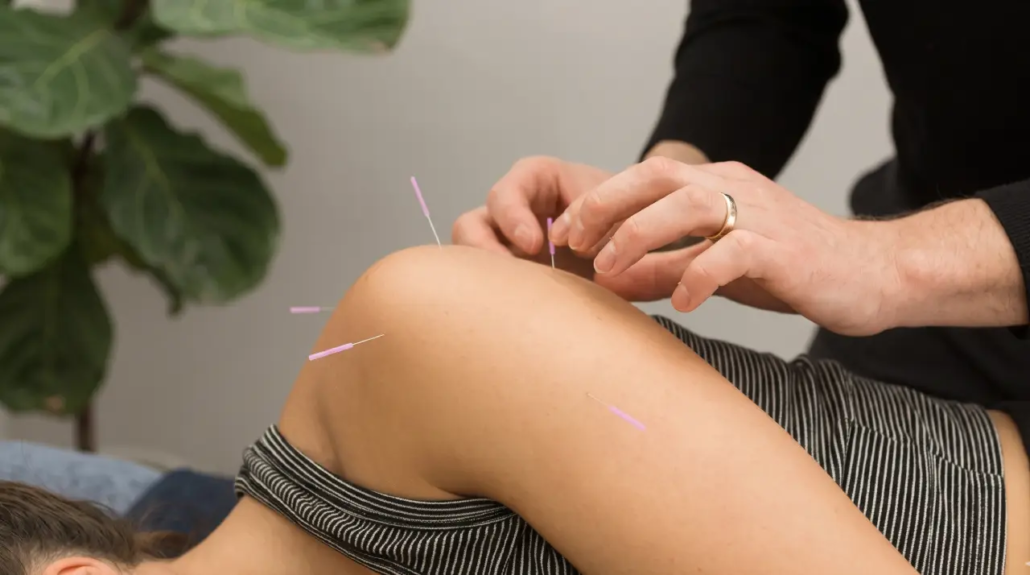
Physiotherapy dry needling is a technique that some trained physiotherapists incorporate into a broader rehabilitation plan. It is grounded in Western anatomy, meaning the clinical reasoning draws on how muscles, joints, nerves, and movement patterns work together and contribute to pain or restricted function.
When a physiotherapist considers dry needling, the decision follows a physical assessment. They look at how you move, where you feel symptoms, which muscles appear restricted or sensitized, and how those findings connect to your overall rehabilitation goals. The needle placement is chosen based on what the assessment reveals, not on a predetermined map.
Dry needling is not a stand-alone treatment. It is typically one part of a plan that also includes movement retraining, strengthening, education, and gradual return to your activities, whether those activities involve a sport, a physically demanding job, or everyday tasks at home. Regulatory and professional discussions across North America increasingly recognize dry needling as a distinct practice with its own evidence base and clinical rationale, separate from acupuncture traditions.
Whether dry needling is appropriate for you depends on your assessment findings, your health history, your comfort level, and your treatment goals. It is not suitable for everyone, and a thorough assessment should always come first.
What Is Traditional Acupuncture Based On?
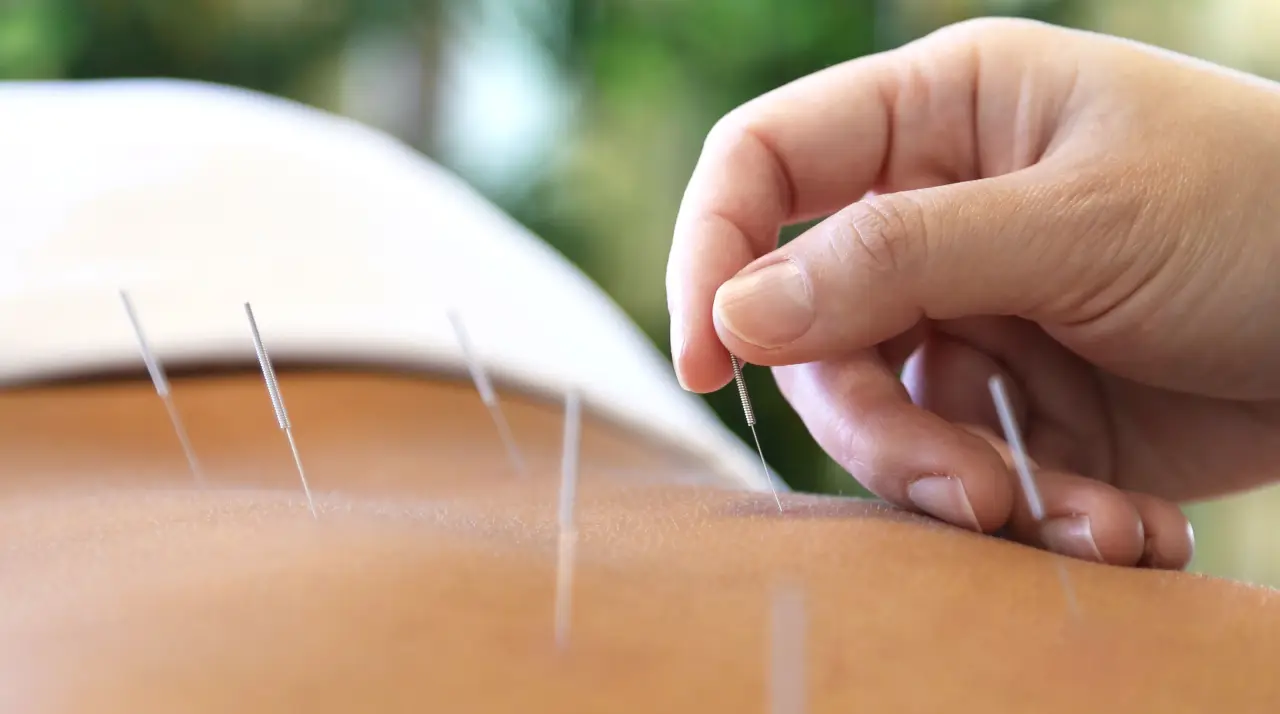
Traditional acupuncture comes from Traditional Chinese Medicine, a system of health understanding that developed over centuries and uses a different framework for interpreting the body. Rather than focusing on muscles, joints, and nerve pathways as Western anatomy does, traditional acupuncture works with meridians, which are mapped channels throughout the body used in Traditional Chinese Medicine to guide where needles are placed.
Within this tradition, the goal of treatment is often broader than addressing a single muscle group or movement restriction. Acupuncture assessment considers patterns across the whole person, including energy flow, balance, and systemic health signals. Point selection follows the meridian map and the practitioner’s reading of those patterns, rather than a physical movement test.
Academic comparisons of the two approaches acknowledge that while some needle insertion points overlap geographically, the reasoning behind their selection is different across traditions. This distinction matters when you consider what training a practitioner has, what framework they are using, and what they are attempting to address. You deserve to know which tradition your practitioner is working from and why they chose it for your situation. If you are curious about acupuncture as its own practice, our clinic also offers Traditional Chinese Acupuncture Therapy for patients who want to explore that approach.
The Main Difference Is Not the Needle. It Is the Clinical Reasoning.
The most useful reframe for patients is this: the question is not only “Where does the needle go?” It is “Why is it being placed there, and what system of knowledge informed that decision?”
The table below outlines how the two approaches differ across key areas:
| Area | Physiotherapy Dry Needling | Traditional Acupuncture |
|---|---|---|
| Guiding framework | Western anatomy, pain science, movement assessment | Traditional Chinese Medicine, meridian pathways |
| Assessment process | Physical movement testing, symptom mapping, health history | TCM diagnostic assessment, pattern recognition |
| Treatment goal | Restore muscle function, reduce sensitivity, support rehabilitation | Rebalance energy flow, address broader health patterns |
| Practitioner training | Registered physiotherapist with post-graduate dry needling training | Registered acupuncturist or TCM practitioner |
| Typically used alongside | Exercise, education, load management, movement retraining | Varies by practitioner and patient presentation |
In Vancouver and across British Columbia, you are within your rights to ask any practitioner about their registration, their specific training in the technique they are recommending, and the assessment findings that led to their recommendation. A clear explanation before treatment begins is not an inconvenience; it is part of informed consent.
What Might You Experience During a Dry Needling Appointment?
A dry needling appointment at a physiotherapy clinic begins before any needle is involved. Your physiotherapist will discuss your symptoms, review your health history, screen for any reasons the technique would not be appropriate, and explain what the treatment involves, including potential sensations and risks. You give informed consent before proceeding.
During treatment, you should be told which area is being treated and why that area connects to your assessment findings. Some people notice a brief twitch-like response in the muscle, a feeling of heaviness, or mild local soreness during or after the session. Others feel very little. Both experiences are within the normal range.
If at any point you feel uncertain or uncomfortable, you should feel comfortable saying so. Care that is individualized to your situation means your comfort level and preferences are part of the process, not an afterthought. Treatment should never feel like something happening to you without your full understanding.
How Do You Decide Which Approach Fits Your Goals?
The right approach depends on what you are dealing with and what you are working toward. Someone recovering from a hamstring strain, managing shoulder tension from a physically demanding job, or returning to sport after a soft tissue injury has different needs than someone seeking care for a broader systemic health concern.
Before agreeing to any needle-based treatment, consider asking your practitioner these questions:
- What is the purpose of needling within my treatment plan?
- Is this dry needling or acupuncture, and which framework are you using?
- What assessment findings led you to recommend this?
- What else will we combine it with to support my progress over time?
- Are there any reasons this approach would not be appropriate for me?
Physiotherapy dry needling is worth considering when the treatment goal connects to muscle function, movement patterns, or rehabilitation from a musculoskeletal injury. For athletes, healthcare workers, teachers, weekend warriors, and people managing work-related or day-to-day injuries, it is typically one piece of a broader plan rather than a complete solution on its own.
Whatever approach you choose, select a regulated provider, make sure the explanation you receive feels clear before you consent, and trust that you are allowed to ask questions until it does.
Key Takeaways
- Dry needling and traditional Chinese acupuncture both use thin needles, but the clinical reasoning behind each is different. Dry needling follows Western anatomy and movement assessment; traditional acupuncture follows meridian pathways from Traditional Chinese Medicine.
- Physiotherapy dry needling is not a stand-alone treatment. It is typically used alongside exercise, education, and movement retraining as part of a broader rehabilitation plan.
- Traditional Chinese acupuncture is rooted in a distinct medical tradition with its own assessment process and treatment goals, separate from physiotherapy-based practice.
- The key question is not where the needle goes, but why it is placed there and what knowledge system informed that choice.
- Before any needle-based treatment, you should receive a clear explanation of the technique being used, the assessment findings that support it, and the opportunity to give informed consent.
- In British Columbia, patients are entitled to ask about a practitioner’s registration, training, and clinical rationale before proceeding with any treatment.
Ready to Understand Your Options?
If you are unsure whether dry needling, acupuncture, exercise-based rehabilitation, or another approach fits your situation, a physiotherapy assessment is a practical place to begin. At Treloar Physiotherapy, our team takes the time to review your symptoms, movement patterns, health history, and comfort level before recommending any treatment. The goal is a plan that is built around your specific needs, not a default protocol.
Book an appointment at our Vancouver clinic to explore an individualized plan that supports informed, safe movement forward.
Frequently Asked Questions
Is dry needling the same as Traditional Chinese acupuncture?
No. Both treatments use thin needles, but dry needling and acupuncture are based on different clinical frameworks. Dry needling in physiotherapy is guided by Western anatomy, movement testing, and pain science. Traditional acupuncture is guided by Traditional Chinese Medicine principles and meridian-based point selection. The tools look similar; the reasoning systems behind them are distinct.
Is dry needling better than Traditional Chinese acupuncture?
Neither approach is universally superior to the other. Which one is appropriate depends on your symptoms, your goals, your health history, and the type of assessment your practitioner conducts. A physiotherapist trained in dry needling should explain how it fits into your rehabilitation plan and be clear about what it is intended to address. No needle-based treatment should be framed as a guaranteed fix for any condition.
Can dry needling be part of physiotherapy for sports, work, or day-to-day injuries?
It is considered for some patients, depending on what a thorough assessment reveals. For athletes, healthcare workers, teachers, weekend warriors, and people recovering from sprains, strains, or repetitive strain injuries, dry needling is typically one component of a broader plan. That plan often includes movement retraining, strengthening work, education about load management, and a gradual return to the activities that matter most to you.

