Posts

Pelvic Floor Physiotherapy and Safe Exercise During Pregnancy
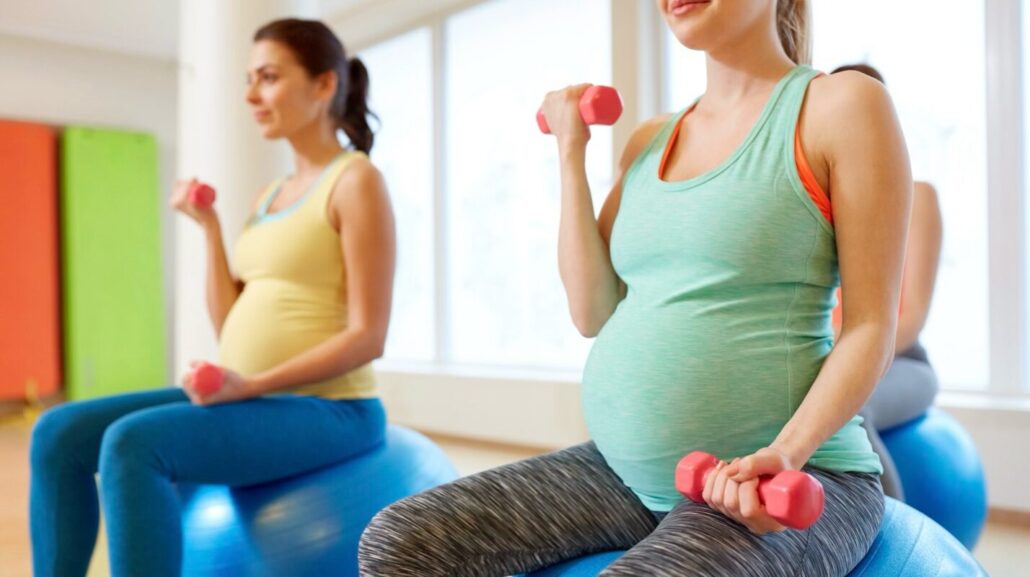
Mind Pump Media. (2021, May 20). What are the best exercises for pregnant women?

Importance of Staying Active During Pregnancy

Pregnancy doesn’t mean stopping exercise, it means learning how to move in a way that supports your changing body. Staying active during pregnancy is safe and beneficial for most people without medical restrictions. If you’re unsure, check with your healthcare provider before starting or continuing exercise.
Let’s debunk some common myths about physical activity during pregnancy…Exercise is not associated with an increased risk of pregnancy loss or premature delivery, or low birth weight. In fact, research shows that regular exercise can help reduce the risk of gestational diabetes, hypertension, and pre-eclampsia. It can also help decrease the severity of pelvic girdle pain and lower back pain.

So, what should exercise look like during pregnancy? Current recommendations suggest aiming for 150 minutes of moderate-intensity physical activity per week, spread out over at least 3 days. This should include a combination of aerobic exercise and resistance training. It’s also recommended to incorporate yoga, light stretching, and pelvic floor exercises into your routine. If this amount of exercise feels difficult to achieve, don’t worry, any amount of movement still provides meaningful benefits!

What does moderate intensity feel like? A good guideline is the “talk test”. You should be able to carry on a simple conversation, but not sing. Lower-impact aerobic options include walking, swimming, and stationary cycling.

Some safe resistance training options include:

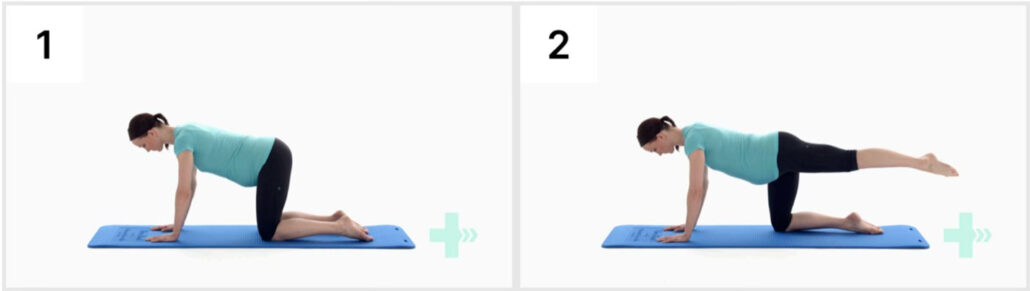
4-point leg lifts: Start on your hands and knees. Tighten your core muscles, keep your spine stable as you lift one leg.
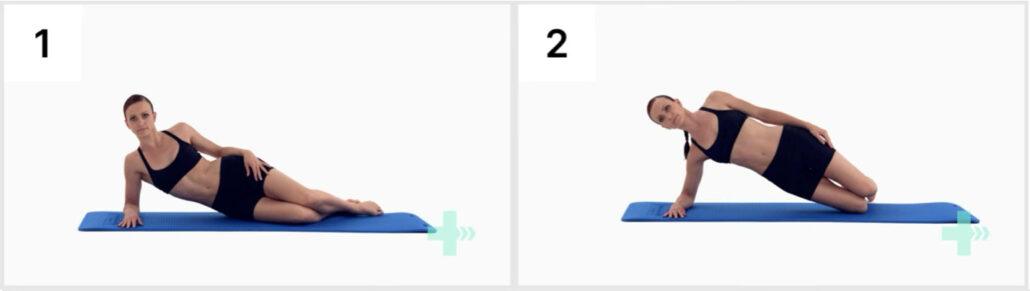
Side plank on knees: Start lying on your side, supported on one elbow and your knees. Engage your core and glutes to lift your hips off the mat, keeping your body in a straight line from head to knees.
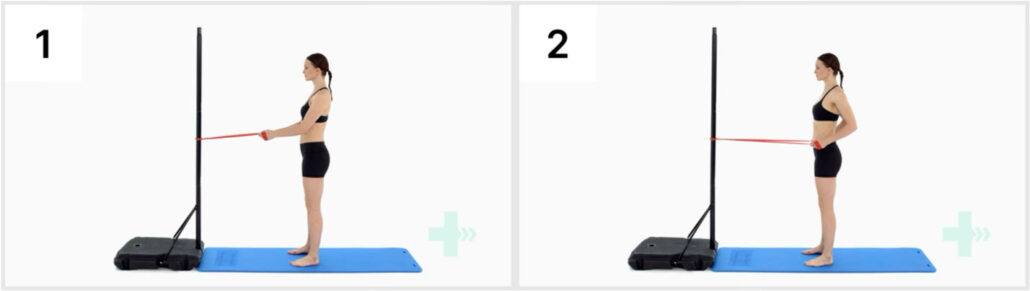
Seated rows with a resistance band: Use your shoulder blades and the backs of your shoulders to pull your elbows back.
Benefits of Pelvic Floor Physiotherapy During Pregnancy

Your pelvic floor muscles sit at the bottom of your pelvis and act like a hammock, supporting your pelvic organs, including your bladder, bowel, and uterus. Pelvic floor physiotherapy can help you learn how to properly contract and relax these muscles, while also improving their strength and coordination.
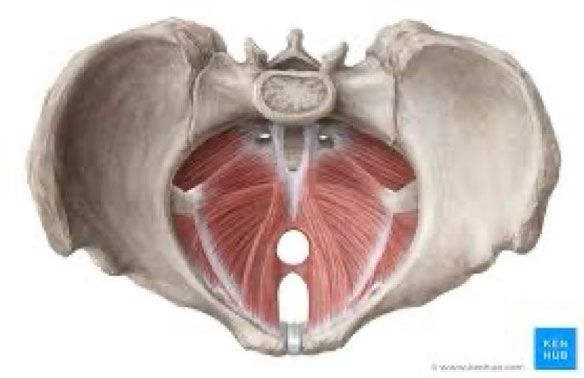
Crumbie, L. (2023, August 15). Muscles of the pelvic floor. Kenhub. 

Strengthening the pelvic floor is important during pregnancy to help support the growing weight of your baby, reduce the risk of urinary incontinence (leakage), and provide support for your pelvis and lower back.

However, strength is only part of the picture. During childbirth, the pelvic floor needs to fully relax and stretch to allow the baby to pass through. Research shows that pelvic floor physiotherapy can help shorten the second stage of labour and reduce the risk of severe perineal tearing.

Book an appointment with one of our trained pelvic floor physiotherapists to get personalized guidance on how to safely exercise during pregnancy and prepare your pelvic floor for delivery!

References

Alberta Health Services. (2013). PARmed-X for pregnancy: Physical activity readiness medical examination.

Canadian Society for Exercise Physiology. (n.d.). Pregnancy: 24-hour movement guidelines. 


By Renée Houle
Physiotherapist
Treloar Physiotherapy Clinic

Post-Partum Pelvic Floor Physiotherapy: Supporting Recovery After Giving Birth

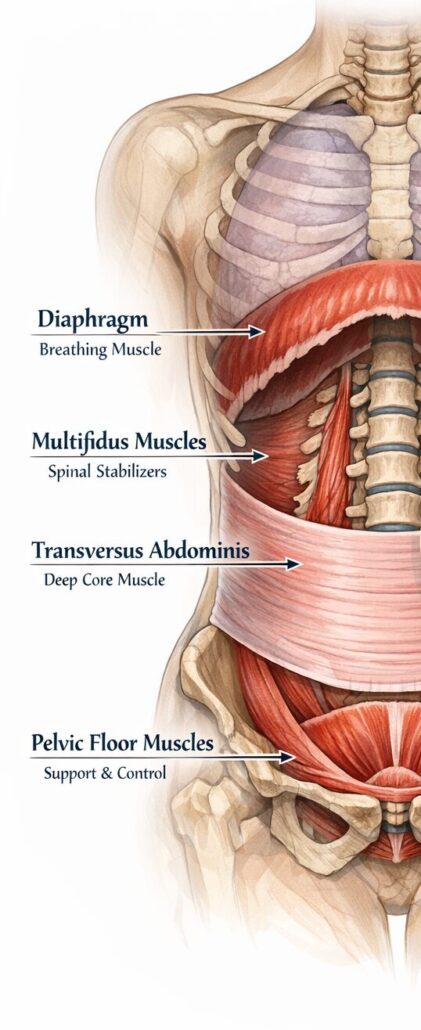
Pregnancy and childbirth place significant stress on the pelvic floor, which are the group of muscles that support the bladder, uterus, and bowel. These muscles also work together with the diaphragm, deep abdominal muscles, and hips to support posture, bladder control, and core stability.

After delivery, the pelvic floor can become weakened, stretched, or overly tight. Pelvic floor physiotherapy focuses on restoring strength, coordination, and mobility so new mothers can return to daily activities and exercise safely and confidently.

5 Common Signs You May Benefit from Pelvic Floor Physiotherapy Post-Partum

1. Urinary leakage – 
Leaking urine when coughing, sneezing, laughing, or exercising is very common after childbirth. This happens when the pelvic floor muscles are not strong or coordinated enough to support the bladder during pressure.

2. Pelvic region heaviness or pressure
 – A feeling of heaviness, pressure, or a “bulging” sensation in the pelvic area can occur when the muscles and tissues supporting the pelvic organs are weakened.

3. Pain in the pelvis, hips, or tailbone
 – Some women continue to experience discomfort in the pelvic region, hips, or tailbone after giving birth. This can be related to muscle tightness, joint strain, or changes in posture that developed during pregnancy.

4. Pain with intercourse
 – Pain during intercourse can happen after childbirth due to pelvic floor muscle tightness, scar tissue, or sensitivity in the surrounding muscles.

5. Difficulty returning to exercise
 – If activities such as running, lifting, or higher-impact workouts cause pelvic region pressure, pain, or leakage, the pelvic floor and core muscles may need rehabilitation before safely progressing.

3 Common Myths About Post-Partum Pelvic Floor Recovery

Myth 1: “Leaking after childbirth is normal and nothing can be done.”
While leakage is common after pregnancy, it is not something women need to live with! Pelvic floor physiotherapy can significantly improve or resolve these symptoms.

Myth 2: “Kegels are the only exercise you need.”
Pelvic floor recovery involves more than just Kegels. The pelvic floor works together with breathing muscles, deep abdominal muscles, and the hips. A full rehabilitation program focuses on strengthening and coordinating this entire system.

Myth 3: “C-sections don’t affect the pelvic floor.”
Even without a vaginal delivery, pregnancy itself places a lot of pressure on the pelvic floor. Women who deliver by C-section can still experience pelvic floor weakness or dysfunction.

What does post-partum physiotherapy look like?

1. Targeted Pelvic Floor Mucle and Core-Abdominal Exercises

Individualized exercise programs are the foundation of pelvic floor rehabilitation. These exercises help restore strength, endurance, and coordination in the pelvic floor while also strengthening the deep core muscles.
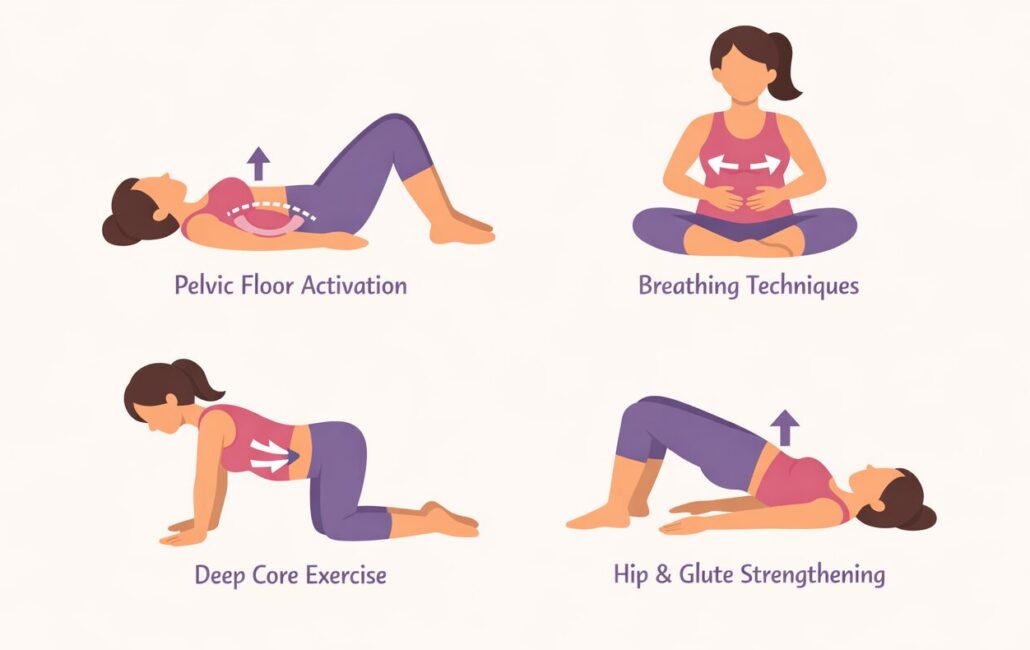
Treatment often includes (but limited to):

  • pelvic floor muscle activation, strengthening and relaxation exercises
  • 
breathing techniques that coordinate the diaphragm and pelvic floor
  • deep core muscle activation
- progressive strengthening of the hips and gluteal muscles

By improving how these muscles work together, physiotherapy helps support the bladder and pelvic organs while allowing women to safely return to activities like lifting, running, and exercise.

2. Intramuscular Stimulation (IMS)

Intramuscular stimulation (IMS), also known as dry-needling, is a technique sometimes used to treat tight or irritated muscles. Very thin needles are inserted into specific muscles around the hips, lower back, or pelvis to help release tension and improve muscle function.

For some women experiencing postpartum pelvic pain or persistent lower back pain, IMS can help:

  • 
reduce muscle tension
  • improve circulation in the affected muscles
  • 
decrease pain related to muscle tightness or trigger points

IMS is typically used in conjunction with exercise therapy as part of a comprehensive physiotherapy treatment plan.

3. Clinical Pilates

Clinical Pilates is often used in physiotherapy to retrain core stability and movement control. The exercises focus on slow, controlled movements that integrate breathing, pelvic floor muscle activation, and deep abdominal strength.

Clinical Pilates can help:
- rebuild core stability after pregnancy
- improve posture and spinal support
- gradually prepare the body to return to regular exercise
Because the movements are low-impact and carefully guided, Clinical Pilates is often a helpful bridge between early recovery and returning to higher-intensity activity.

When Should You Seek Help?

Many healthcare providers recommend a pelvic floor physiotherapy assessment around six weeks after childbirth, but treatment can still be helpful months or even years after delivery if symptoms persist.

Early assessment can help identify muscle weakness, tension, or coordination issues so that recovery can be guided safely and effectively. Pelvic floor physiotherapy helps many women return to daily activities and exercise with greater comfort and confidence.


By Chelsea Chua
Physiotherapist
Treloar Physiotherapy Kerrisdale