Pelvic Floor Physiotherapy and Safe Exercise During Pregnancy
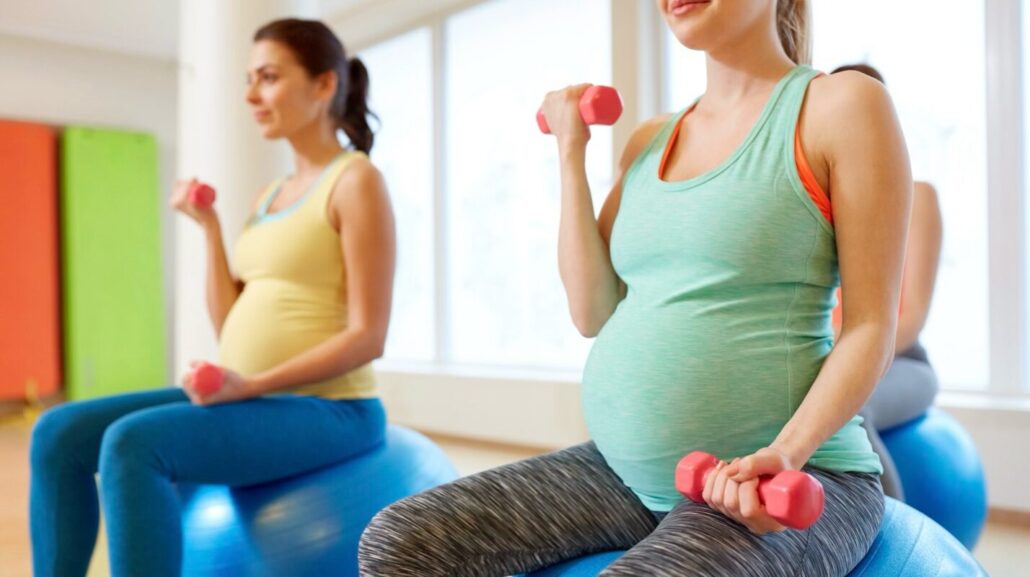
Mind Pump Media. (2021, May 20). What are the best exercises for pregnant women?
Importance of Staying Active During Pregnancy
Pregnancy doesn’t mean stopping exercise, it means learning how to move in a way that supports your changing body. Staying active during pregnancy is safe and beneficial for most people without medical restrictions. If you’re unsure, check with your healthcare provider before starting or continuing exercise.
Let’s debunk some common myths about physical activity during pregnancy…Exercise is not associated with an increased risk of pregnancy loss or premature delivery, or low birth weight. In fact, research shows that regular exercise can help reduce the risk of gestational diabetes, hypertension, and pre-eclampsia. It can also help decrease the severity of pelvic girdle pain and lower back pain.
So, what should exercise look like during pregnancy? Current recommendations suggest aiming for 150 minutes of moderate-intensity physical activity per week, spread out over at least 3 days. This should include a combination of aerobic exercise and resistance training. It’s also recommended to incorporate yoga, light stretching, and pelvic floor exercises into your routine. If this amount of exercise feels difficult to achieve, don’t worry, any amount of movement still provides meaningful benefits!
What does moderate intensity feel like? A good guideline is the “talk test”. You should be able to carry on a simple conversation, but not sing. Lower-impact aerobic options include walking, swimming, and stationary cycling.
Some safe resistance training options include:
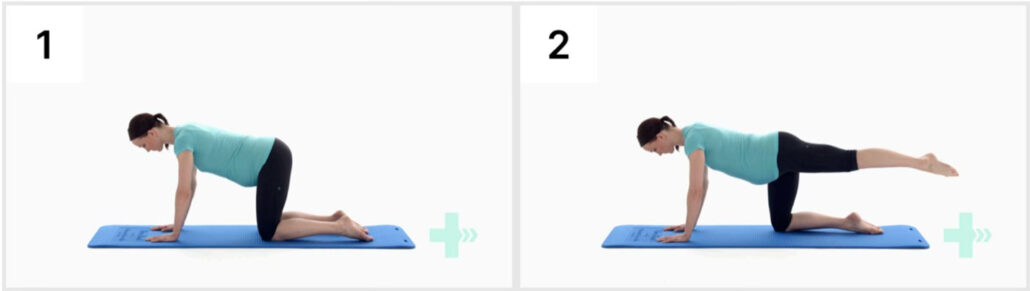
4-point leg lifts: Start on your hands and knees. Tighten your core muscles, keep your spine stable as you lift one leg.
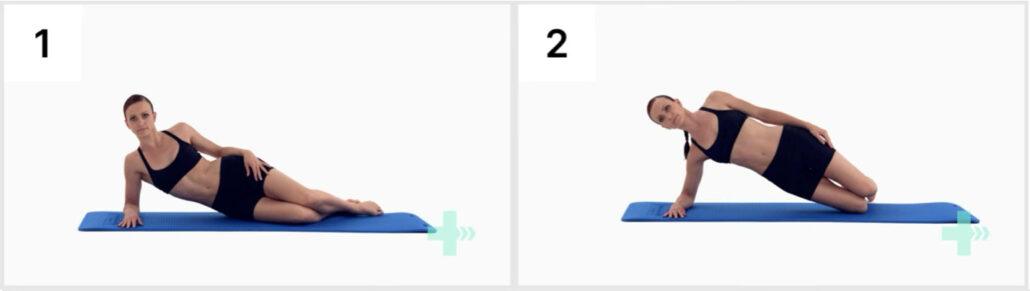
Side plank on knees: Start lying on your side, supported on one elbow and your knees. Engage your core and glutes to lift your hips off the mat, keeping your body in a straight line from head to knees.
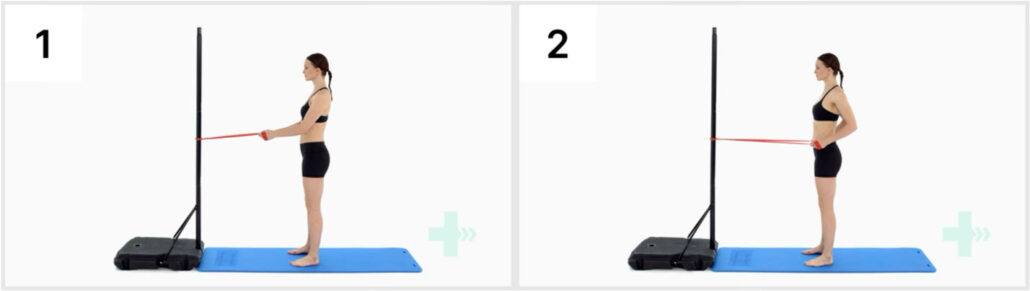
Seated rows with a resistance band: Use your shoulder blades and the backs of your shoulders to pull your elbows back.
Benefits of Pelvic Floor Physiotherapy During Pregnancy
Your pelvic floor muscles sit at the bottom of your pelvis and act like a hammock, supporting your pelvic organs, including your bladder, bowel, and uterus. Pelvic floor physiotherapy can help you learn how to properly contract and relax these muscles, while also improving their strength and coordination.
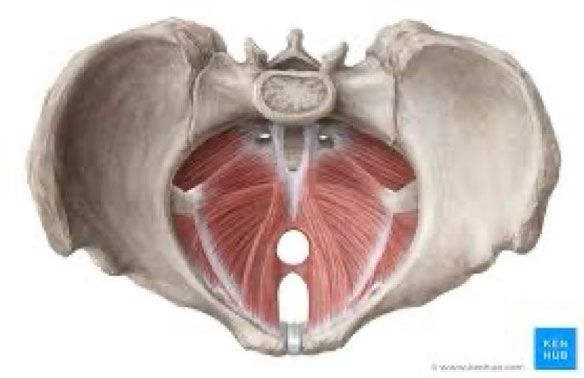
Crumbie, L. (2023, August 15). Muscles of the pelvic floor. Kenhub.
Strengthening the pelvic floor is important during pregnancy to help support the growing weight of your baby, reduce the risk of urinary incontinence (leakage), and provide support for your pelvis and lower back.
However, strength is only part of the picture. During childbirth, the pelvic floor needs to fully relax and stretch to allow the baby to pass through. Research shows that pelvic floor physiotherapy can help shorten the second stage of labour and reduce the risk of severe perineal tearing.
Book an appointment with one of our trained pelvic floor physiotherapists to get personalized guidance on how to safely exercise during pregnancy and prepare your pelvic floor for delivery!
References
Alberta Health Services. (2013). PARmed-X for pregnancy: Physical activity readiness medical examination.
Canadian Society for Exercise Physiology. (n.d.). Pregnancy: 24-hour movement guidelines.
By Renée Houle
Physiotherapist
Treloar Physiotherapy Clinic