Posts

Pelvic Floor Physiotherapy and Safe Exercise During Pregnancy

Mind Pump Media. (2021, May 20). What are the best exercises for pregnant women?

Importance of Staying Active During Pregnancy

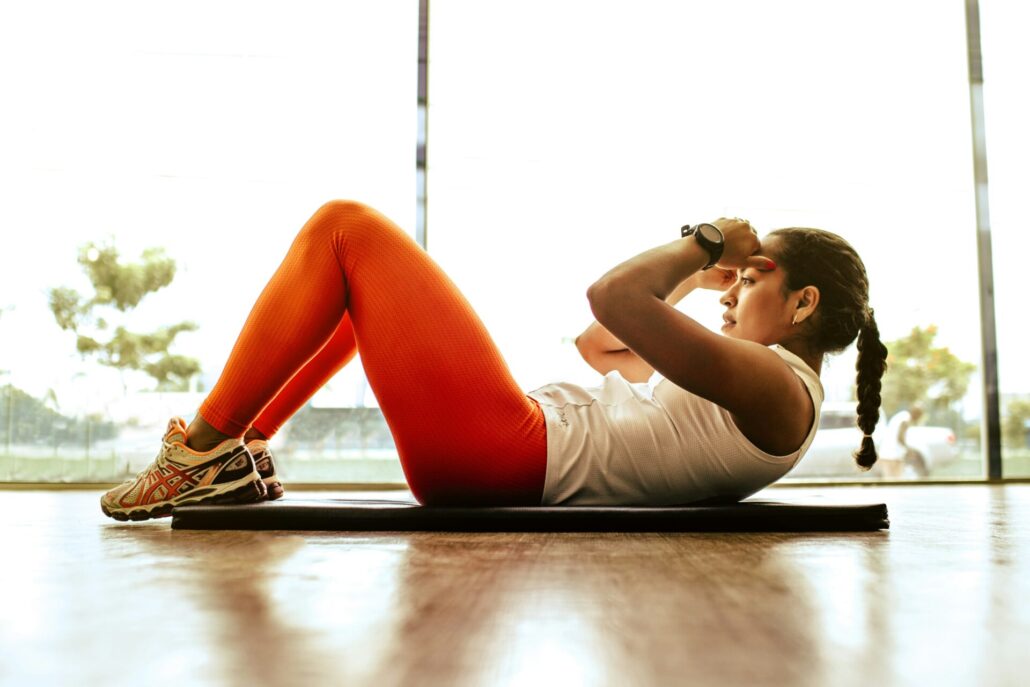
Pregnancy doesn’t mean stopping exercise, it means learning how to move in a way that supports your changing body. Staying active during pregnancy is safe and beneficial for most people without medical restrictions. If you’re unsure, check with your healthcare provider before starting or continuing exercise.
Let’s debunk some common myths about physical activity during pregnancy…Exercise is not associated with an increased risk of pregnancy loss or premature delivery, or low birth weight. In fact, research shows that regular exercise can help reduce the risk of gestational diabetes, hypertension, and pre-eclampsia. It can also help decrease the severity of pelvic girdle pain and lower back pain.

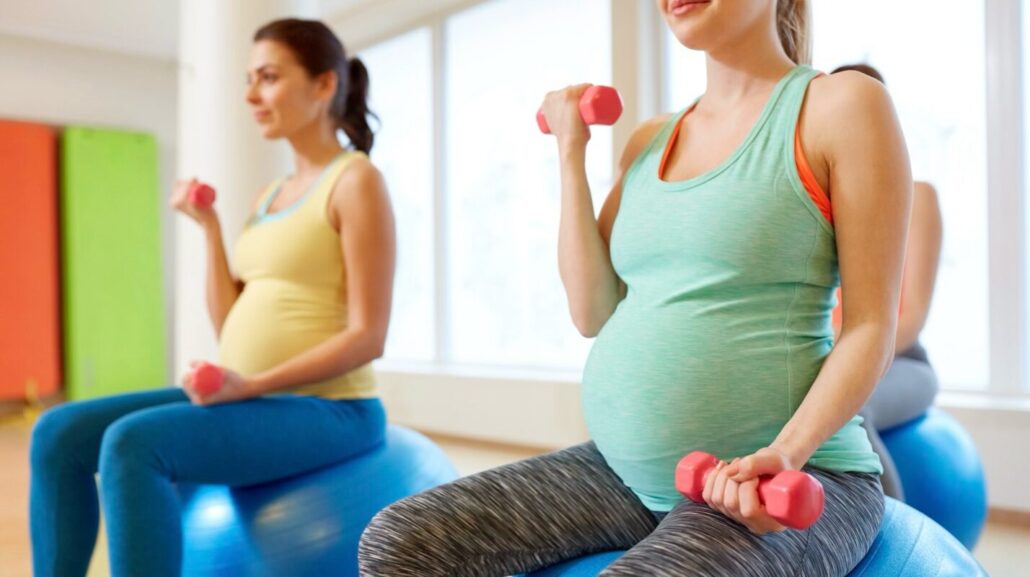
So, what should exercise look like during pregnancy? Current recommendations suggest aiming for 150 minutes of moderate-intensity physical activity per week, spread out over at least 3 days. This should include a combination of aerobic exercise and resistance training. It’s also recommended to incorporate yoga, light stretching, and pelvic floor exercises into your routine. If this amount of exercise feels difficult to achieve, don’t worry, any amount of movement still provides meaningful benefits!

What does moderate intensity feel like? A good guideline is the “talk test”. You should be able to carry on a simple conversation, but not sing. Lower-impact aerobic options include walking, swimming, and stationary cycling.

Some safe resistance training options include:

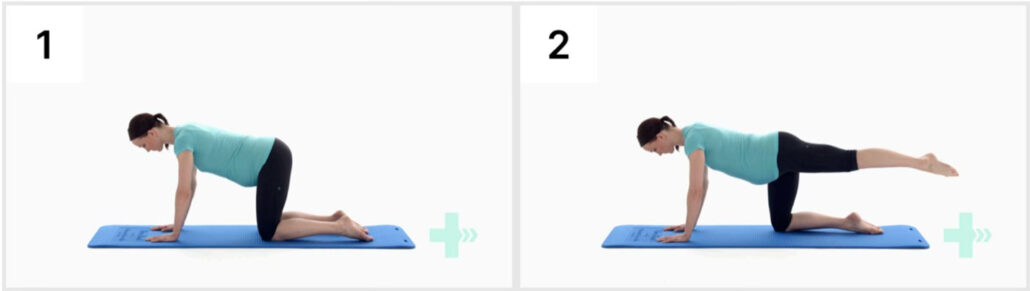
4-point leg lifts: Start on your hands and knees. Tighten your core muscles, keep your spine stable as you lift one leg.

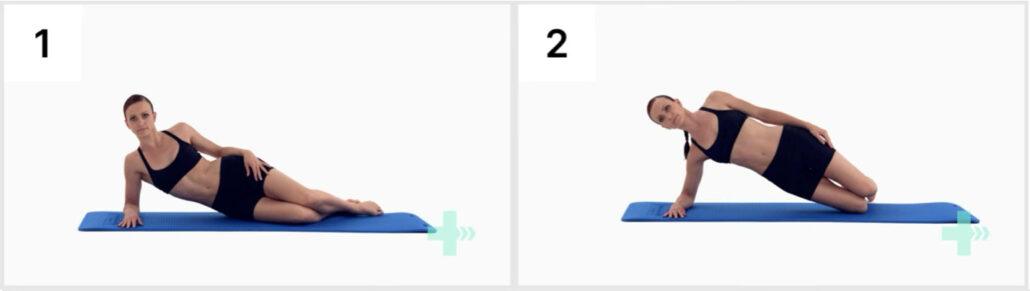
Side plank on knees: Start lying on your side, supported on one elbow and your knees. Engage your core and glutes to lift your hips off the mat, keeping your body in a straight line from head to knees.

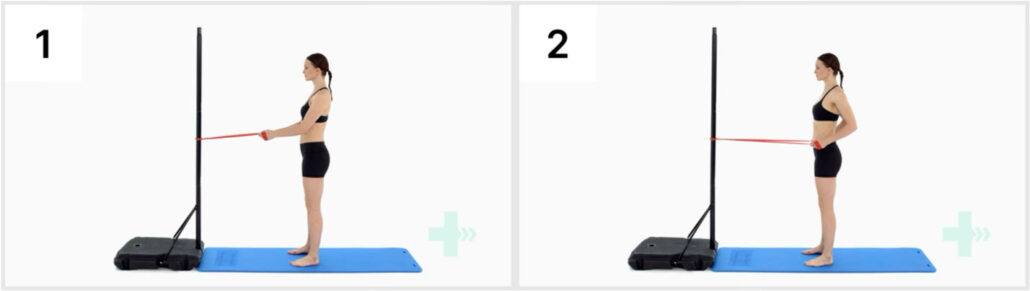
Seated rows with a resistance band: Use your shoulder blades and the backs of your shoulders to pull your elbows back.

Benefits of Pelvic Floor Physiotherapy During Pregnancy

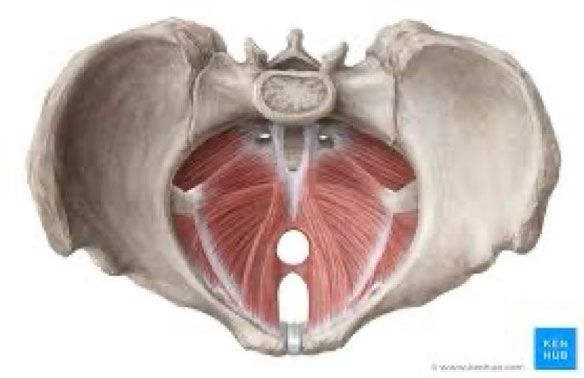
Your pelvic floor muscles sit at the bottom of your pelvis and act like a hammock, supporting your pelvic organs, including your bladder, bowel, and uterus. Pelvic floor physiotherapy can help you learn how to properly contract and relax these muscles, while also improving their strength and coordination.

Crumbie, L. (2023, August 15). Muscles of the pelvic floor. Kenhub. 

Strengthening the pelvic floor is important during pregnancy to help support the growing weight of your baby, reduce the risk of urinary incontinence (leakage), and provide support for your pelvis and lower back.

However, strength is only part of the picture. During childbirth, the pelvic floor needs to fully relax and stretch to allow the baby to pass through. Research shows that pelvic floor physiotherapy can help shorten the second stage of labour and reduce the risk of severe perineal tearing.

Book an appointment with one of our trained pelvic floor physiotherapists to get personalized guidance on how to safely exercise during pregnancy and prepare your pelvic floor for delivery!

References

Alberta Health Services. (2013). PARmed-X for pregnancy: Physical activity readiness medical examination.

Canadian Society for Exercise Physiology. (n.d.). Pregnancy: 24-hour movement guidelines. 


By Renée Houle
Physiotherapist
Treloar Physiotherapy Clinic

Post-Partum Pelvic Floor Physiotherapy: Supporting Recovery After Giving Birth

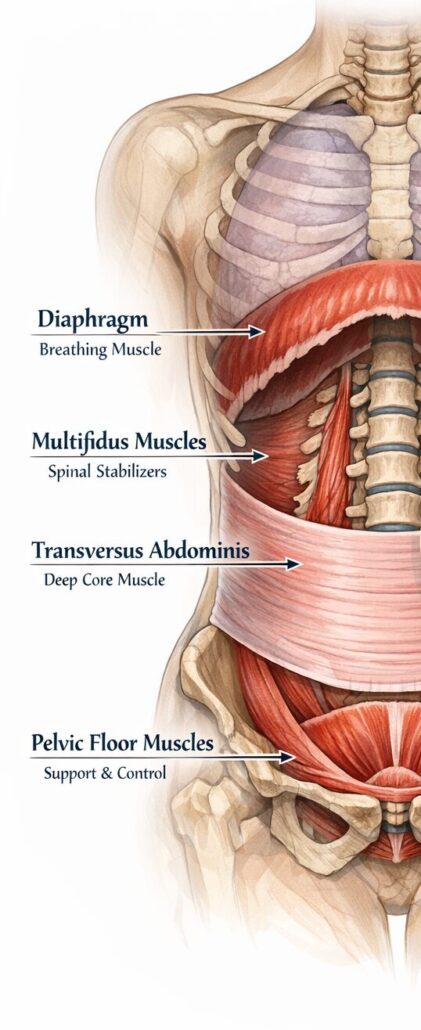
Pregnancy and childbirth place significant stress on the pelvic floor, which are the group of muscles that support the bladder, uterus, and bowel. These muscles also work together with the diaphragm, deep abdominal muscles, and hips to support posture, bladder control, and core stability.

After delivery, the pelvic floor can become weakened, stretched, or overly tight. Pelvic floor physiotherapy focuses on restoring strength, coordination, and mobility so new mothers can return to daily activities and exercise safely and confidently.

5 Common Signs You May Benefit from Pelvic Floor Physiotherapy Post-Partum

1. Urinary leakage – 
Leaking urine when coughing, sneezing, laughing, or exercising is very common after childbirth. This happens when the pelvic floor muscles are not strong or coordinated enough to support the bladder during pressure.

2. Pelvic region heaviness or pressure
 – A feeling of heaviness, pressure, or a “bulging” sensation in the pelvic area can occur when the muscles and tissues supporting the pelvic organs are weakened.

3. Pain in the pelvis, hips, or tailbone
 – Some women continue to experience discomfort in the pelvic region, hips, or tailbone after giving birth. This can be related to muscle tightness, joint strain, or changes in posture that developed during pregnancy.

4. Pain with intercourse
 – Pain during intercourse can happen after childbirth due to pelvic floor muscle tightness, scar tissue, or sensitivity in the surrounding muscles.

5. Difficulty returning to exercise
 – If activities such as running, lifting, or higher-impact workouts cause pelvic region pressure, pain, or leakage, the pelvic floor and core muscles may need rehabilitation before safely progressing.

3 Common Myths About Post-Partum Pelvic Floor Recovery

Myth 1: “Leaking after childbirth is normal and nothing can be done.”
While leakage is common after pregnancy, it is not something women need to live with! Pelvic floor physiotherapy can significantly improve or resolve these symptoms.

Myth 2: “Kegels are the only exercise you need.”
Pelvic floor recovery involves more than just Kegels. The pelvic floor works together with breathing muscles, deep abdominal muscles, and the hips. A full rehabilitation program focuses on strengthening and coordinating this entire system.

Myth 3: “C-sections don’t affect the pelvic floor.”
Even without a vaginal delivery, pregnancy itself places a lot of pressure on the pelvic floor. Women who deliver by C-section can still experience pelvic floor weakness or dysfunction.

What does post-partum physiotherapy look like?

1. Targeted Pelvic Floor Mucle and Core-Abdominal Exercises

Individualized exercise programs are the foundation of pelvic floor rehabilitation. These exercises help restore strength, endurance, and coordination in the pelvic floor while also strengthening the deep core muscles.
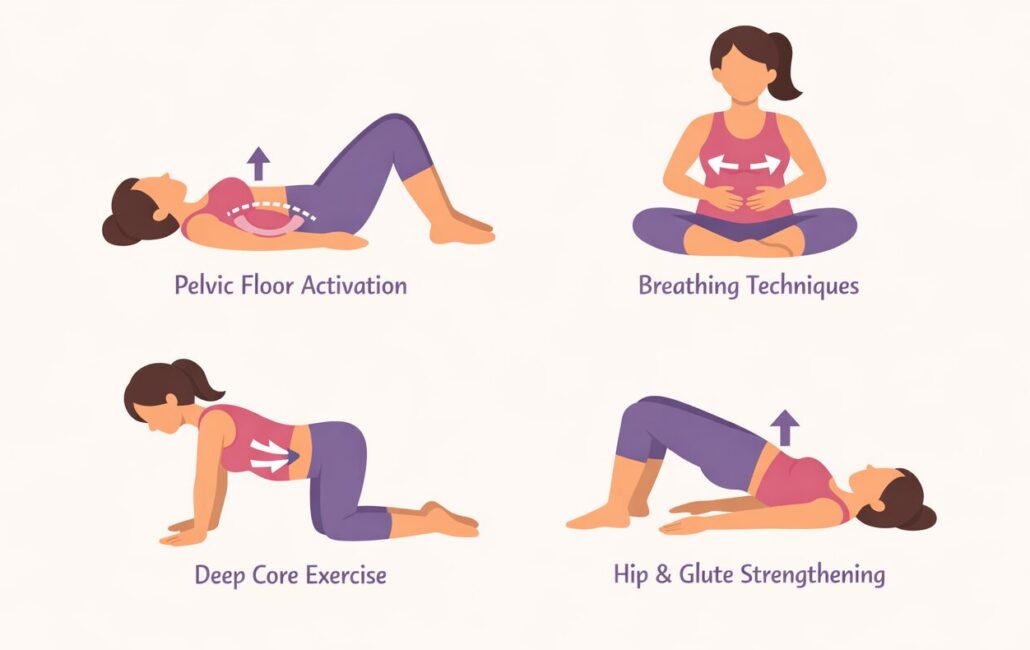
Treatment often includes (but limited to):

  • pelvic floor muscle activation, strengthening and relaxation exercises
  • 
breathing techniques that coordinate the diaphragm and pelvic floor
  • deep core muscle activation
- progressive strengthening of the hips and gluteal muscles

By improving how these muscles work together, physiotherapy helps support the bladder and pelvic organs while allowing women to safely return to activities like lifting, running, and exercise.

2. Intramuscular Stimulation (IMS)

Intramuscular stimulation (IMS), also known as dry-needling, is a technique sometimes used to treat tight or irritated muscles. Very thin needles are inserted into specific muscles around the hips, lower back, or pelvis to help release tension and improve muscle function.

For some women experiencing postpartum pelvic pain or persistent lower back pain, IMS can help:

  • 
reduce muscle tension
  • improve circulation in the affected muscles
  • 
decrease pain related to muscle tightness or trigger points

IMS is typically used in conjunction with exercise therapy as part of a comprehensive physiotherapy treatment plan.

3. Clinical Pilates

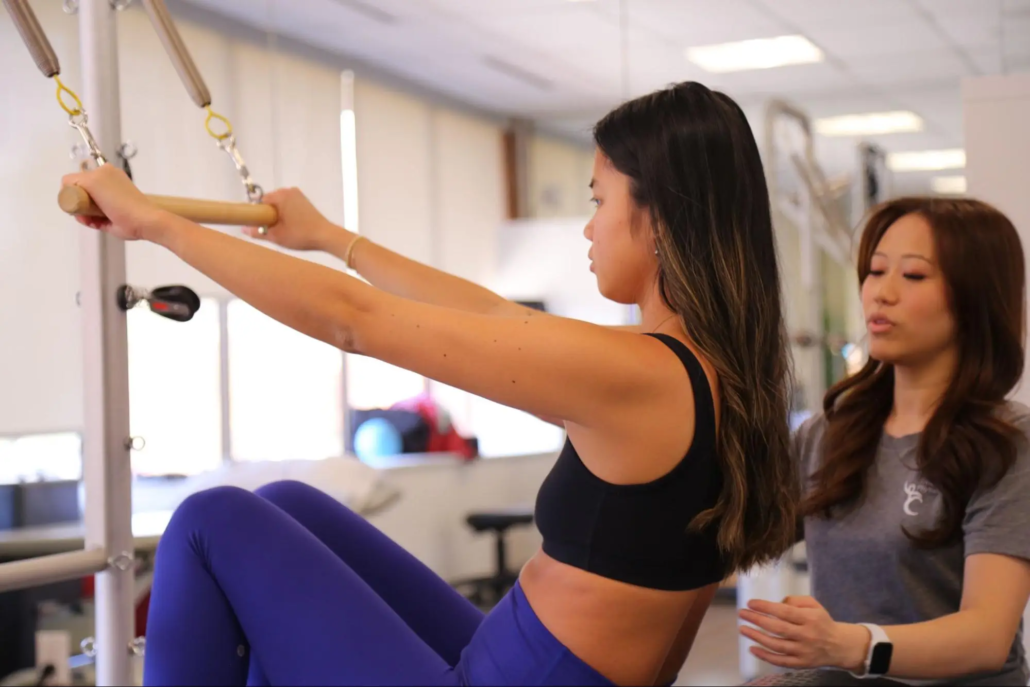
Clinical Pilates is often used in physiotherapy to retrain core stability and movement control. The exercises focus on slow, controlled movements that integrate breathing, pelvic floor muscle activation, and deep abdominal strength.

Clinical Pilates can help:
- rebuild core stability after pregnancy
- improve posture and spinal support
- gradually prepare the body to return to regular exercise
Because the movements are low-impact and carefully guided, Clinical Pilates is often a helpful bridge between early recovery and returning to higher-intensity activity.

When Should You Seek Help?

Many healthcare providers recommend a pelvic floor physiotherapy assessment around six weeks after childbirth, but treatment can still be helpful months or even years after delivery if symptoms persist.

Early assessment can help identify muscle weakness, tension, or coordination issues so that recovery can be guided safely and effectively. Pelvic floor physiotherapy helps many women return to daily activities and exercise with greater comfort and confidence.


By Chelsea Chua
Physiotherapist
Treloar Physiotherapy Kerrisdale

Taping in Physiotherapy — What It Is, How It Helps, and When It’s Right for You!

You may have seen athletes covered in bright, colourful tape and wondered- does that really work?

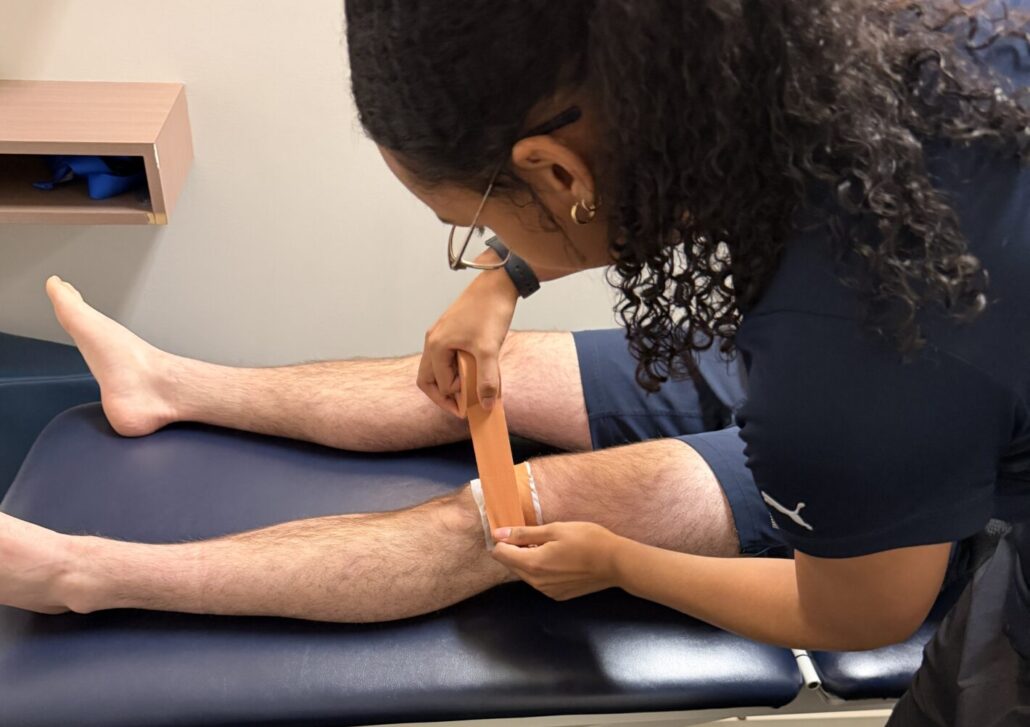
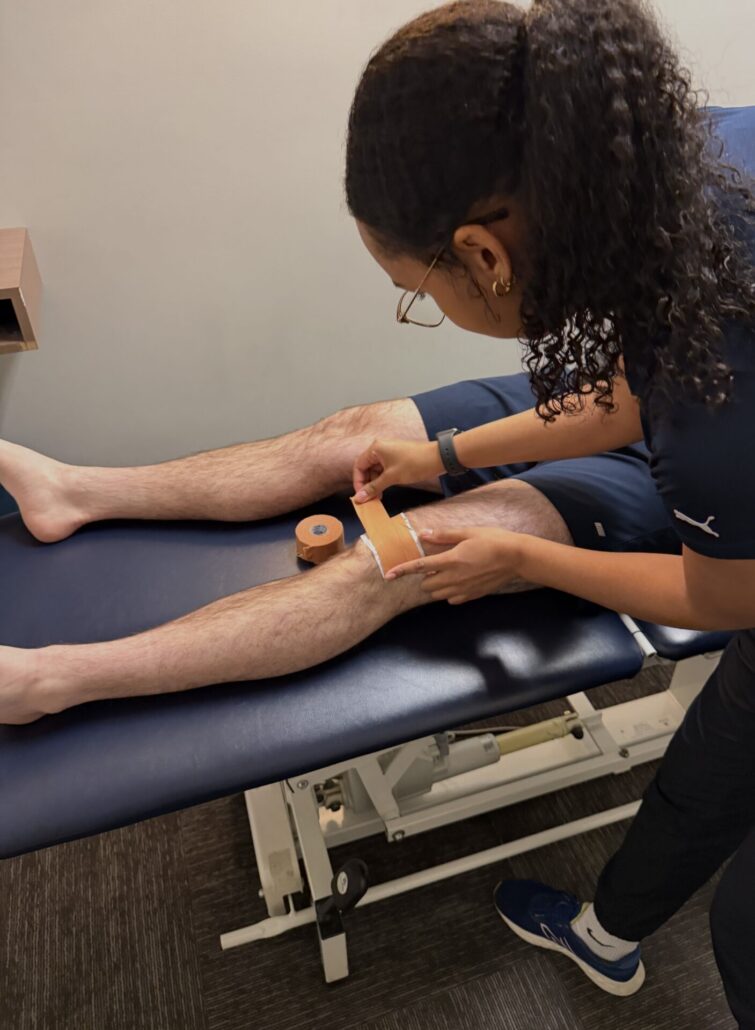
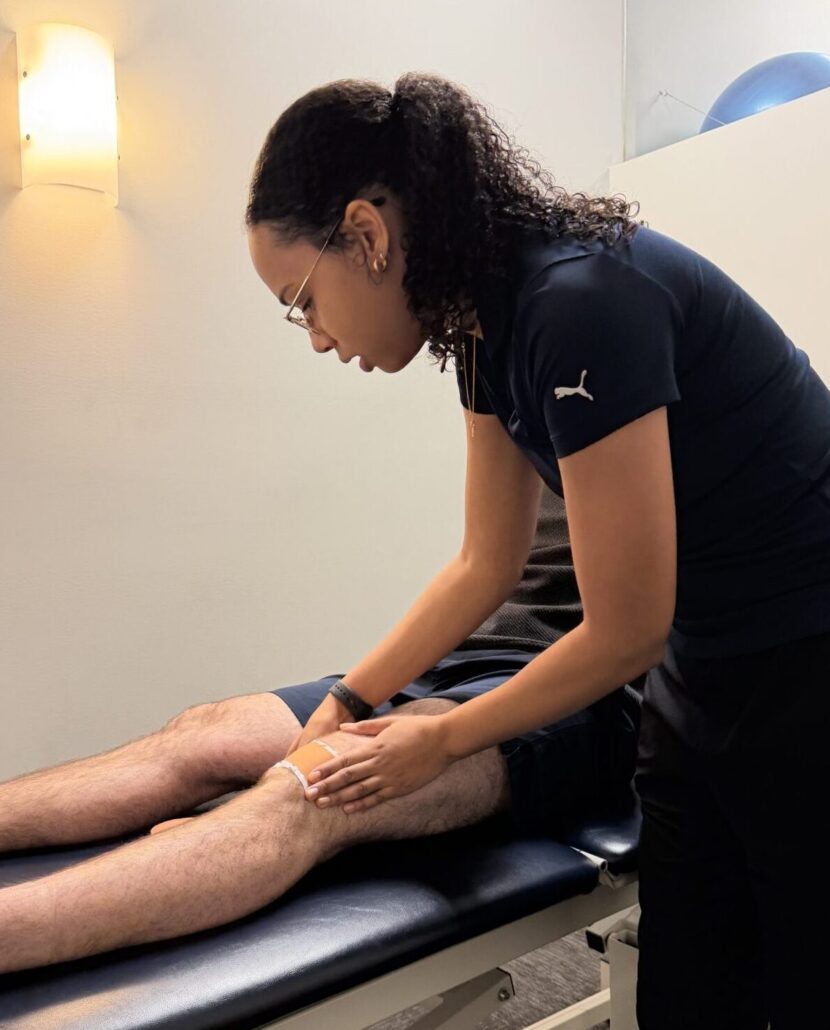
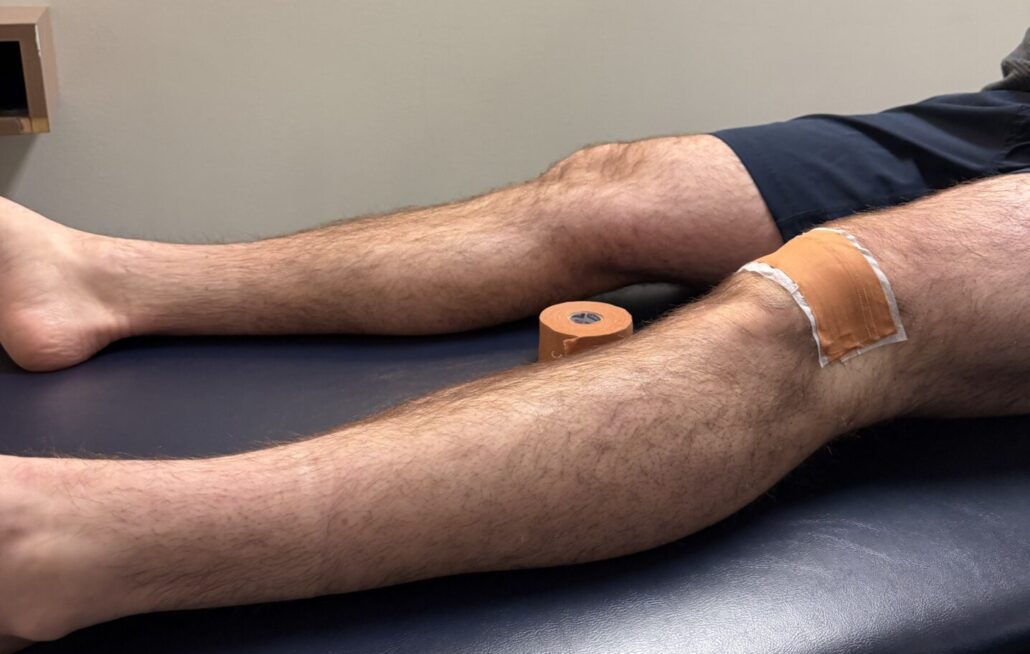
This past year, I spent a lot of time doing sports coverage, and naturally became very familiar with taping. In physiotherapy, taping can be used as a method to manage pain or to help patients feel more confident returning to activity. In this post, I want to break down its purpose, what the research says, and how it could potentially fit into your rehabilitation plan.

Purpose of Taping

Taping can be a very beneficial tool in a treatment plan, but it is not necessarily the best fit for every patient/ injury. The goal of taping can be to help manage pain/modify symptoms, provide sensory feedback, or support return to activity/ sport. The idea of taping is not to “fix” the problem, but to be used as a modality within a management plan.

Types:

  • Rigid taping: involves stiffer straps like leukotape or athletic tape (zinc oxide). Often used to limit excessive motion in joints and provide mechanical support (ex. Closed basket ankle taping).
  • Kinesio (elastic) taping: stretchable tape designed to allow for more movement and provide sensory feedback.

What does the evidence say?

A 2023 systematic review supported that KT taping can reduce pain and disability across multiple body regions when used alongside other interventions (Tran et al., 2023). There are also some specific conditions that taping has shown to be beneficial for. In Patellofemoral Pain Syndrome, taping has shown to reduce pain and improve knee function when combined with exercise therapy (Gao et al., 2025) . Additionally, kinesiotaping may help with symptom reduction in cases of chronic low back pain (Sun & Lou, 2021). However, most of the research concludes that taping does not work well as a standalone treatment and does not reliably improve performance in sport.


Taping vs Bracing

Both taping and bracing can be used as strategies to improve pain and function.

When reviewing the research, there is no definitive answer as to which method is better,

As the evidence is mixed, choice can come down to patient preference. Taping is typically less expensive and can be great for short-term symptom modification or support.

However, I generally suggest trying bracing options in cases where patients may have benefited from taping and desire a longer-term support. Bracing tends to have fewer skin complications compared to taping.

Quick tips before taping!

  • Check skin for sensitivities/allergies before applying tape.
  • Prepare the skin (clean/shave if needed).
  • Do not tape over blisters, skin irritations, wounds, or areas with altered/ reduced skin sensation.
  • Monitor for skin irritations while the tape is on. Take the tape off if it becomes uncomfortable.

To Summarize…

Taping can be a beneficial tool within a rehabilitation plan! The evidence suggests that it should not be used as a treatment on its own, but is most beneficial when used in conjunction with exercise therapy. Most tape jobs are quite quick to try and are fairly straightforward. Another great aspect of taping is that you can also do most tape jobs on your own! I encourage patients to ask their physiotherapist if taping may be a good fit for them. When used in the right context, taping can be a quick and effective way to support you while you continue working toward your goals.

References

Gao, P., Yan, Z., Tang, F., Zhang, J., Zhang, Q., & Li, X. (2025). The efficacy of Kinesio taping combined with exercise therapy on patients with patellofemoral pain syndrome: A systematic review and meta-analysis. Journal of Back and Musculoskeletal Rehabilitation. Advance online publication. https://pubmed.ncbi.nlm.nih.gov/41143853/

Ghai, S., Sharma, R., & Kumar, R. (2024). Proprioceptive effects of rigid versus elastic taping in musculoskeletal conditions: A systematic review and meta-analysis. BMC Musculoskeletal Disorders, 25, 252. https://bmcmusculoskeletdisord.biomedcentral.com/articles/10.1186/s12891-024-07571-2

Sun, G., & Lou, Q. (2021). The efficacy of kinesio taping as an adjunct to physical therapy for chronic low back pain for at least two weeks: A systematic review and meta‑analysis of randomized controlled trials. Medicine, 100(49), e28170. https://pmc.ncbi.nlm.nih.gov/articles/PMC8663828/

Tran, T., Nguyen, H., Le, H., & Pham, Q. (2023). Efficacy of kinesio taping compared to other treatment modalities in musculoskeletal disorders: A systematic review and meta-analysis. Journal of Clinical Rehabilitation, 37(4), 221–234. https://pubmed.ncbi.nlm.nih.gov/34711091/


By Paige Phills

New Parents? New Aches! Looking After Your Body While Looking After Your Kids (& Grandkids)

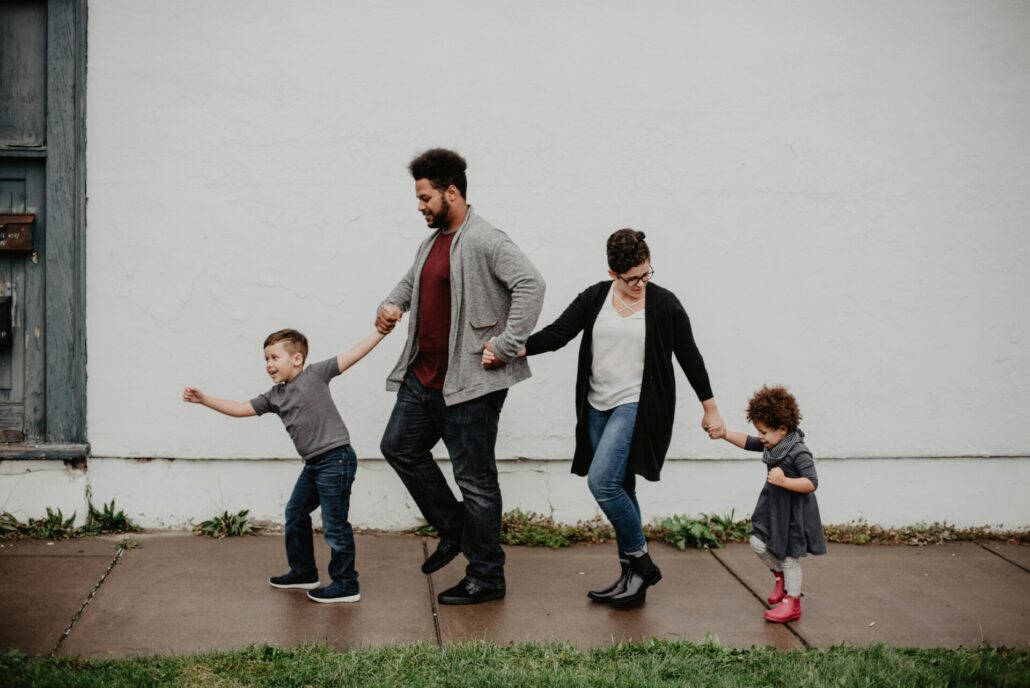
As a father of two young boys (aged 3 and 1), I know how physical parenting can be. Lifting toddlers, carrying strollers, changing diapers, and spending lots of time on the floor all add up. Most parents expect to be tired — fewer expect the aches and pains that come with it.

Caring for young children often puts our bodies into a flexed posture: rounded shoulders, tight hips, and a sore lower back. When this becomes your daily norm, pain can creep in.

Common Aches New Parents Experience & How to Stretch & Strengthen

Lower back pain

Cause:  Frequent lifting and bending

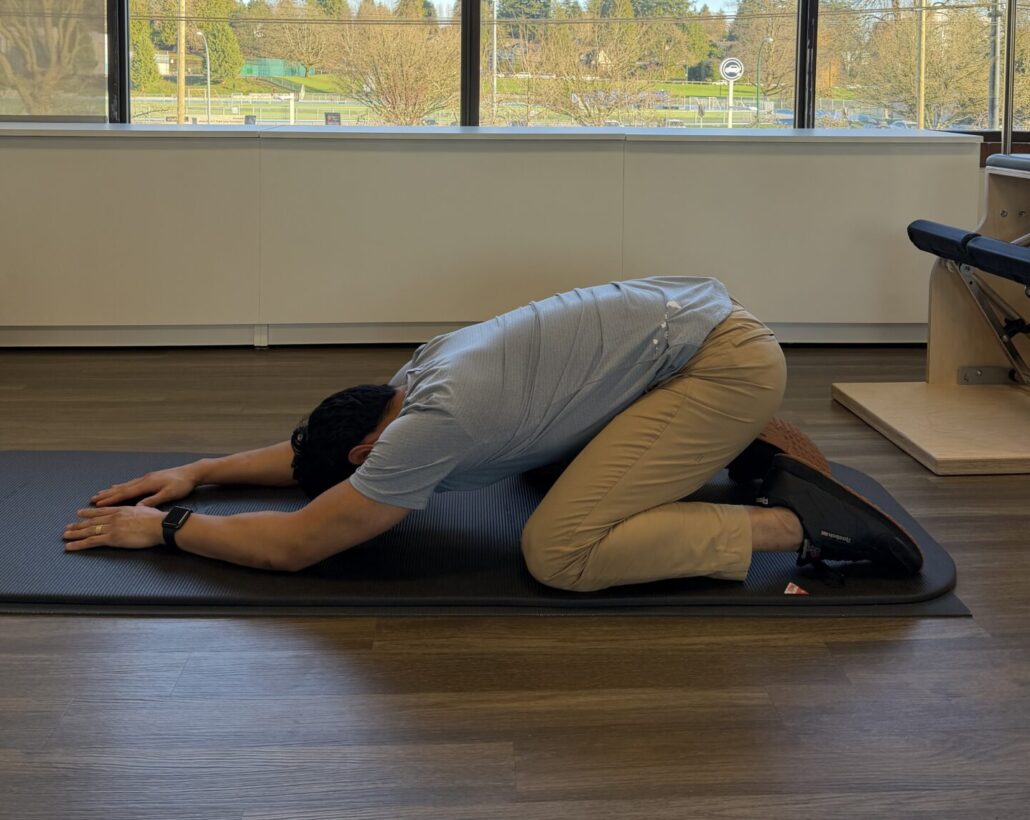
Stretch:  Child’s pose — kneel on the floor, sit back on your heels, reach arms forward. Hold 20–30 seconds.

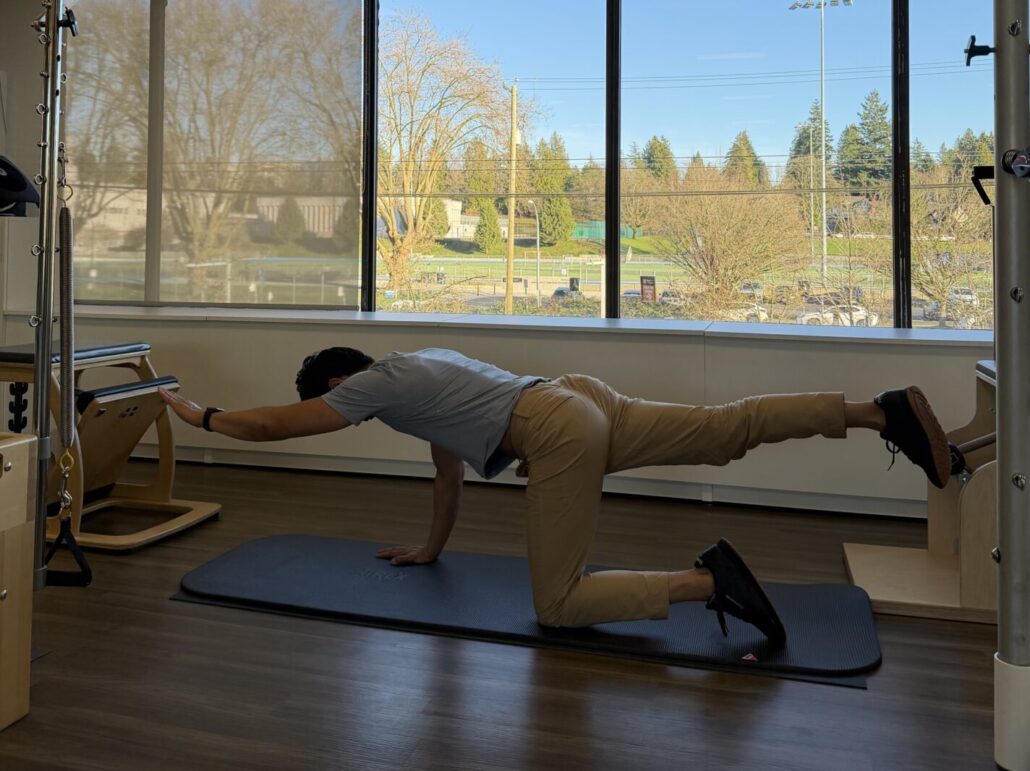
Strengthening:  Bird-dog — on hands and knees, extend opposite arm and leg, keeping core engaged. Hold 5–10 seconds, repeat 5–10 times per side.

Neck and shoulder tension


Cause:  Feeding, rocking, and carrying

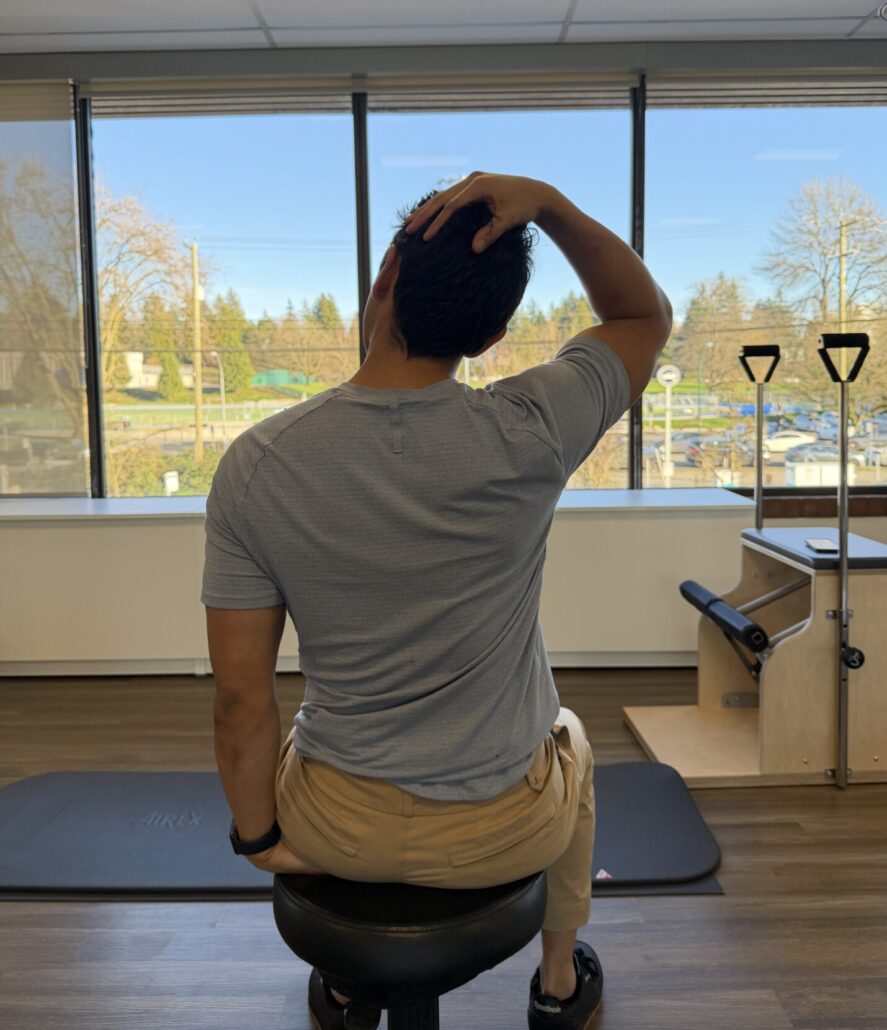
Stretch:  Upper trapezius stretch — gently tilt ear toward shoulder, assist with hand, hold 20 seconds each side.

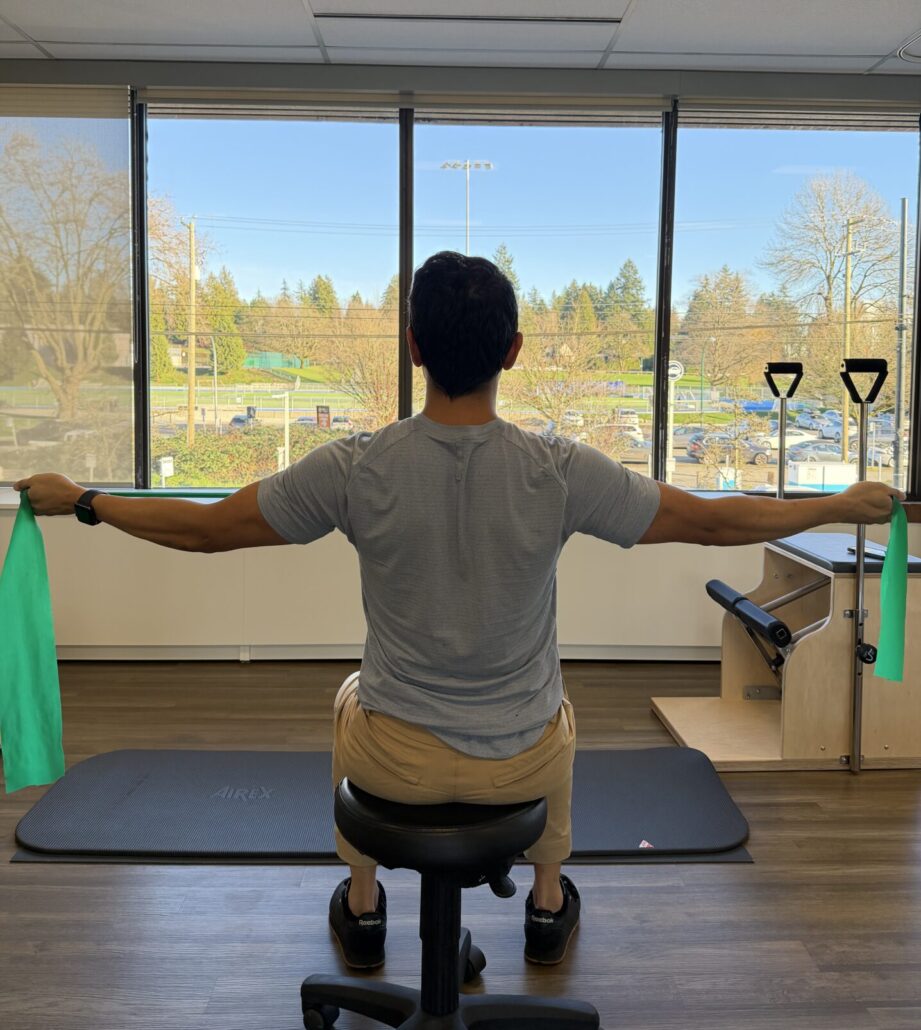
Strengthening:  Scapular squeezes — sit or stand tall, squeeze shoulder blades together, hold 5 seconds, repeat 10–15 times.

Wrist or thumb pain (“Mommy’s thumb” / De Quervain’s)

Cause:  Repetitive lifting and gripping, particularly lifting from under a toddler’s arms.

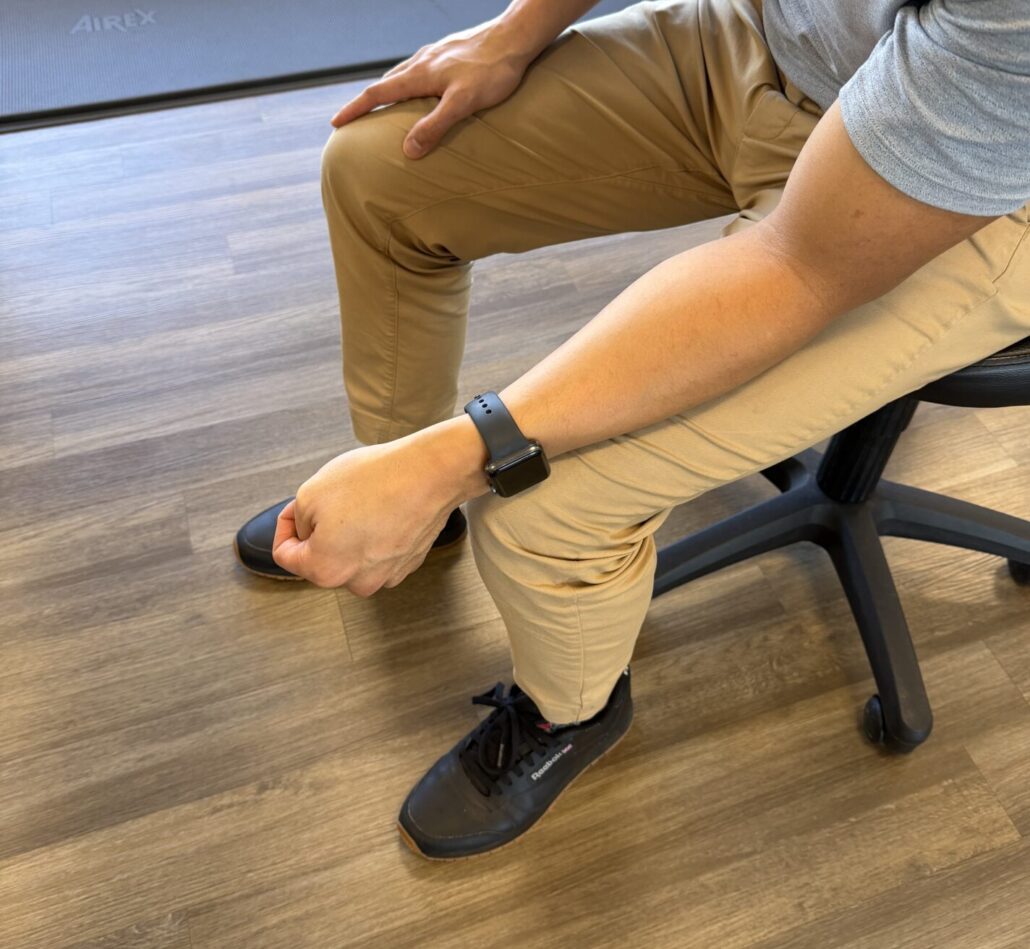
Stretch:  Thumb and wrist stretch — gently place thumb inside a loose fist, and tilt the wrist away from your thumb. Hold 30 seconds.

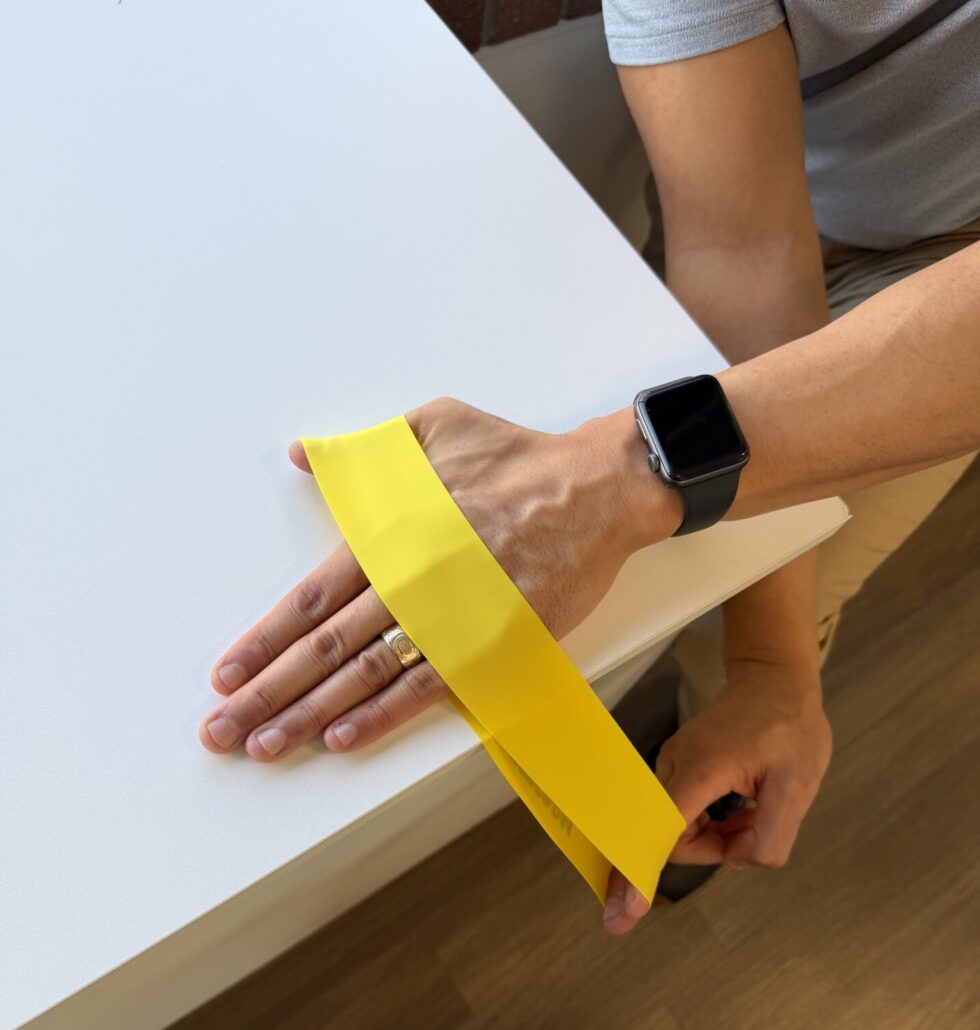
Strengthening (after an initial period of rest and/or bracing):  Thumb extension — use a light resistance band around thumb and fingers. Slowly move thumb away from the fingers against resistance. Repeat 10 times.

Forearm pain near the elbow


Cause:  Sustained hold of baby

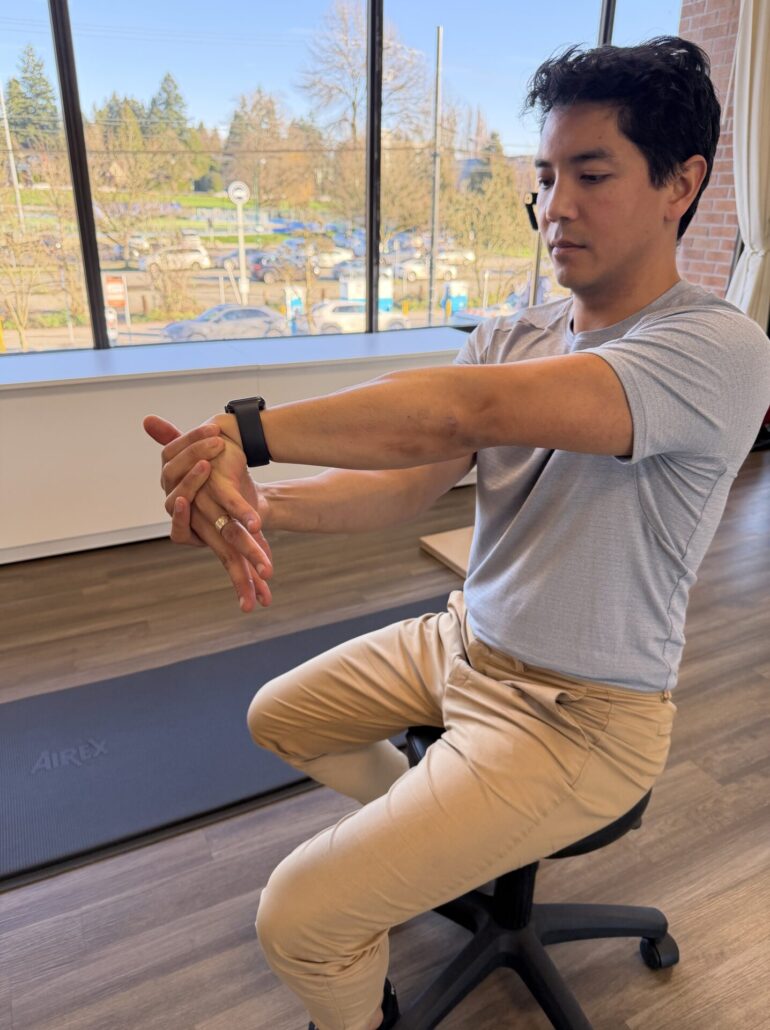
Stretch:  Elbow extension. Extend elbow and pronate the forearm, and flex your wrist using your other hand. Hold for 30 seconds.

Strengthening:  In this scenario, the stretching is often more important as you are building isometric strength while holding your baby!

Hip tightness

Cause:  Prolonged sitting or floor time

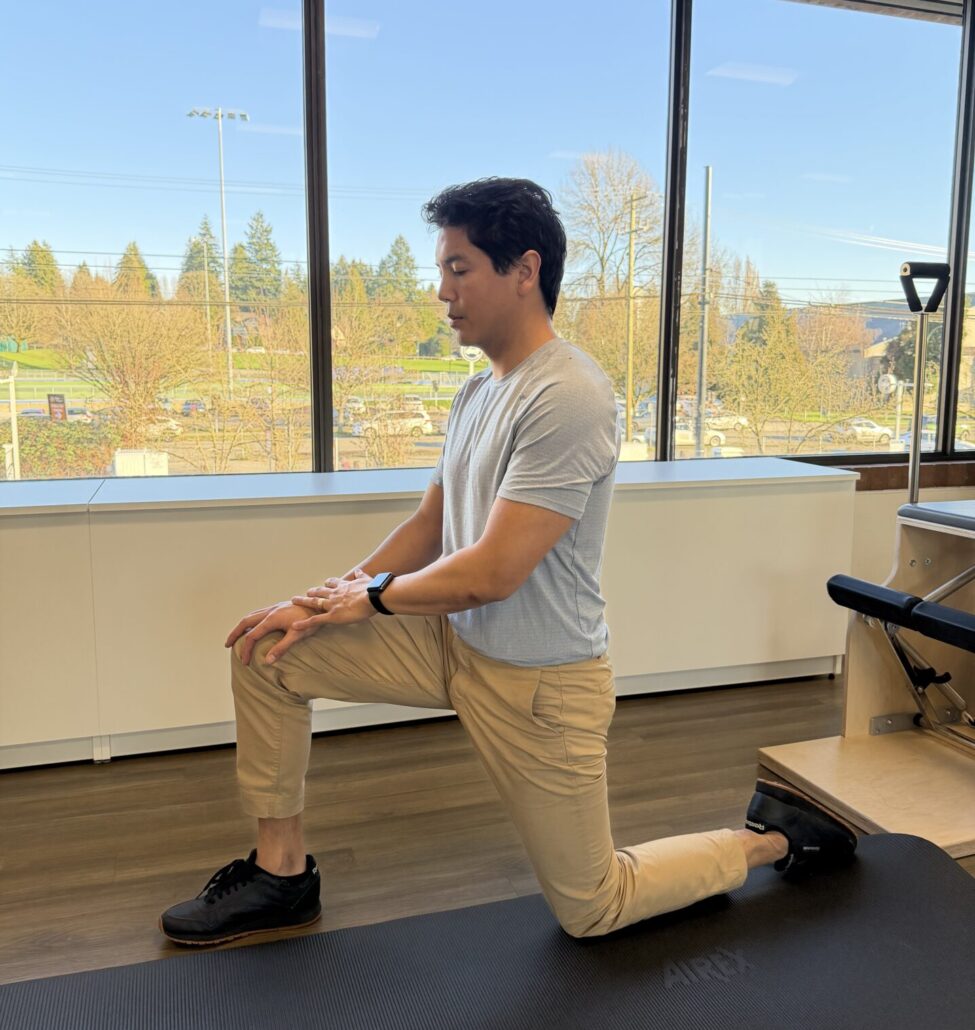
Stretch:  Half-kneeling hip flexor stretch — one knee on the floor, other foot forward, gently shift weight forward, core engaged. Hold 20–30 seconds each side.

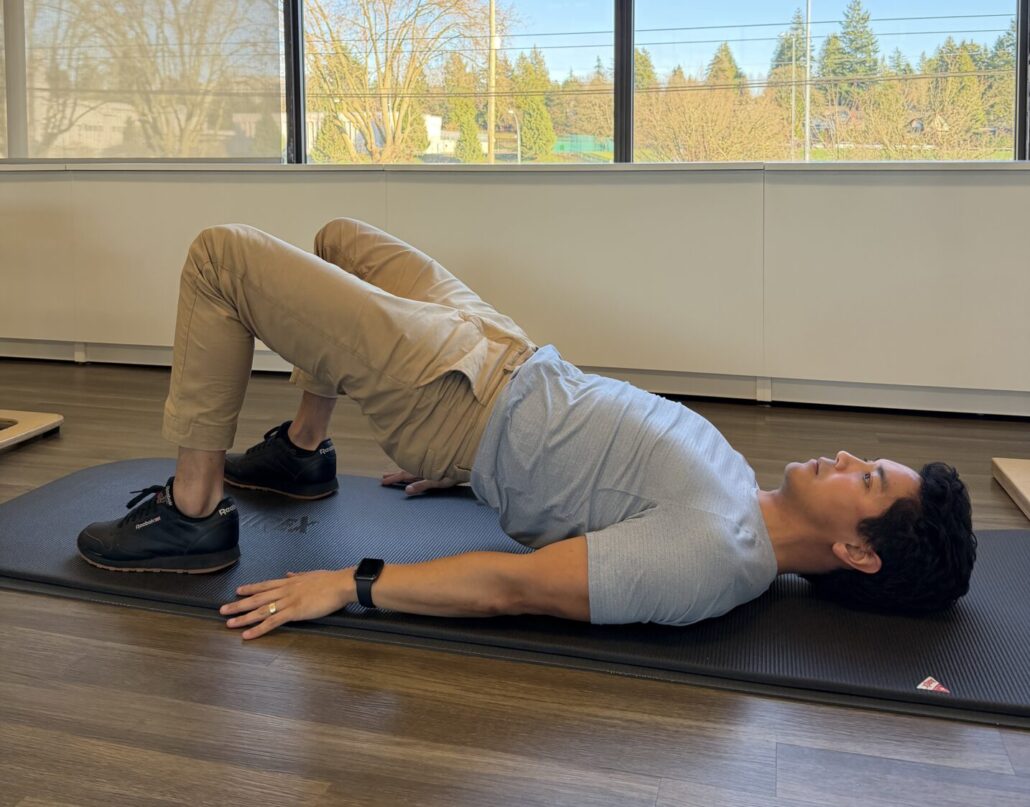
Strengthening:  Glute bridges — lie on your back, knees bent, lift hips off the floor, hold 2–3 seconds, repeat 10–15 times.

Finding Time When There Is No Time

For most parents, finding extra time to exercise feels unrealistic. If this is the case, instead of adding something new to your day, I suggest to move with your kids. Toddlers love crawling, climbing, and playing — and many of these movements are exactly what our bodies need.

Play that helps your body too:

  • Crab walk: Opens the chest and strengthens shoulders, countering rounded posture.
  • Bear or lizard crawl: Builds core, shoulder, and hip strength while staying mobile.
  • Stretching during playtime: Use a half-kneeling position to stretch hip flexors while keeping your core engaged while staying at eye level height with your kids.

Even short bursts of play like this help reverse the hunched posture parents often develop. Physiotherapy can help you stay comfortable, confident, and able to keep up with your kids — now and as they grow!

By Jonathan Tom-Yew