How Clinical Pilates Can Support Your Physical and Mental Well-Being During Perimenopause
Perimenopause can bring a variety of changes that affect how you feel, move and function day to day. Fluctuating hormones can contribute to fatigue, disrupted sleep, mood changes, joint stiffness and changes in muscle strength. You may notice that your usual exercise routine feels more challenging, your recovery takes longer or your body simply doesn’t feel the way it used to.
While hormonal changes are a natural part of this transition, staying active and maintaining physical strength can play an important role in supporting your overall health and well-being.
Clinical Pilates, guided by a physiotherapist, offers an individualized approach to movement that can help you maintain strength, improve mobility and build confidence in your body. Whether you’re returning to exercise, managing aches and pains or looking for a new way to stay active, Clinical Pilates can be a valuable addition to your routine.
What Is Clinical Pilates?
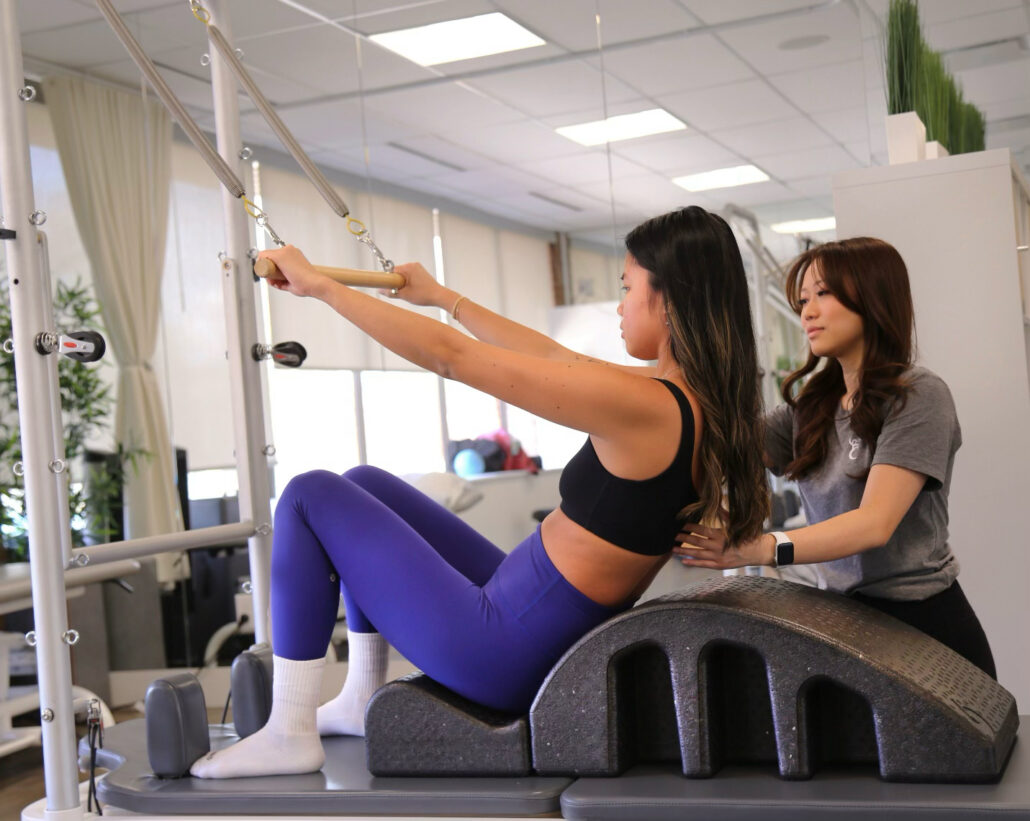
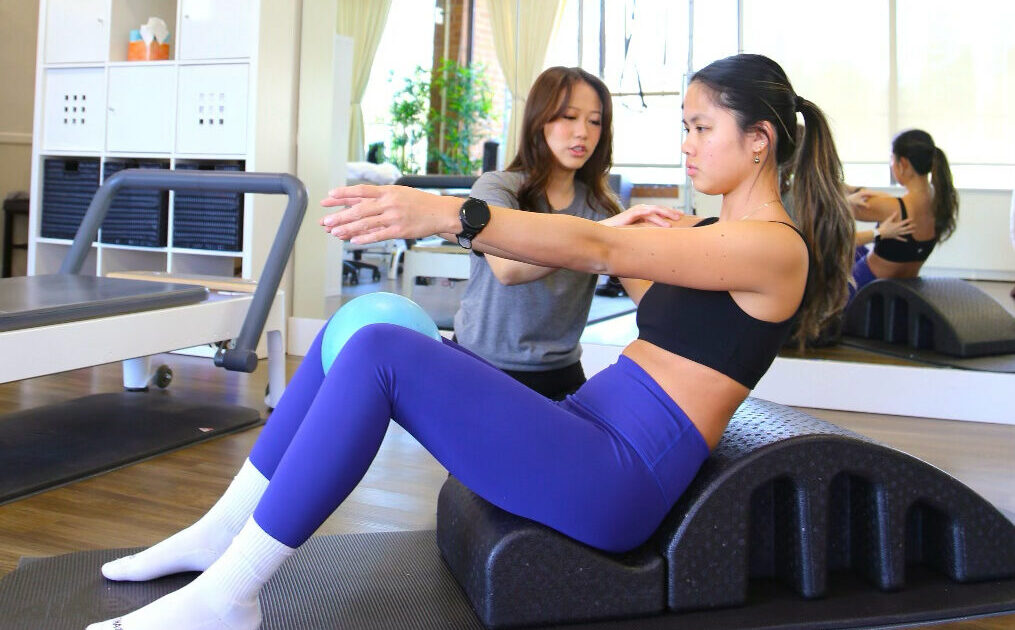
Clinical Pilates is a physiotherapist guided approach to exercise that focuses on controlled movement, strength, mobility, posture, coordination and body awareness.
Unlike a general group Pilates class, Clinical Pilates is tailored to your individual needs, abilities and goals. A physiotherapist considers factors such as your exercise history, previous injuries, current symptoms, strength and mobility when developing your program.
Exercises may use body weight, resistance bands, springs and specialized Pilates equipment to gradually challenge your muscles and improve movement control.
The goal is to create a program that meets you where you are while helping you work towards feeling stronger and moving more comfortably.
How Can Clinical Pilates Help During Perimenopause?
Clinical Pilates can support several aspects of physical wellbeing that are particularly important during the menopausal transition.
1. Maintaining Strength and Muscle Function
Changes in hormones, combined with the natural effects of aging and changes in physical activity, can decrease muscle mass and strength during midlife. Incorporating regular strengthening exercises can help maintain muscle function and support the physical demands of everyday life.
Clinical Pilates uses controlled, resistance-based movements to target areas such as the core, hips, back and legs. Exercises can be modified and progressed as your strength improves.
2. Improving Mobility and Managing Stiffness
Some women experience increased joint stiffness, aches and discomfort during perimenopause. Reduced activity, prolonged sitting and previous injuries can also contribute to these changes.
Clinical Pilates incorporates mobility and strengthening exercises that can help improve joint movement, build muscular support and make everyday activities feel more comfortable.
3. Supporting Mood and Overall Well-Being
Changes in mood, energy and sleep are common during perimenopause. Regular physical activity can support mental well-being and overall quality of life.
Research specifically examining Pilates in postmenopausal women has found potential improvements in quality of life, including physical functioning, pain and emotional wellbeing. A small 2026 study also found improvements in sleep quality and depressive symptoms following both Clinical Pilates and aerobic exercise. However, more research is needed, particularly in women who are still in perimenopause. [3, 4]
Clinical Pilates also provides an opportunity to slow down, focus on your body and develop greater awareness of how you move. Establishing a consistent movement routine can provide a sense of structure, accomplishment and confidence during a time of change.
4. Building Movement Confidence
If you’re experiencing fatigue, discomfort or changes in your physical abilities, it can be difficult to know how much exercise is appropriate.
Clinical Pilates provides a supportive environment where exercises can be adapted to your current abilities and progressed gradually. Working with a physiotherapist can help you feel more confident returning to activities you enjoy and exploring new ways to stay active.
Why Choose Clinical Pilates With a Physiotherapist?
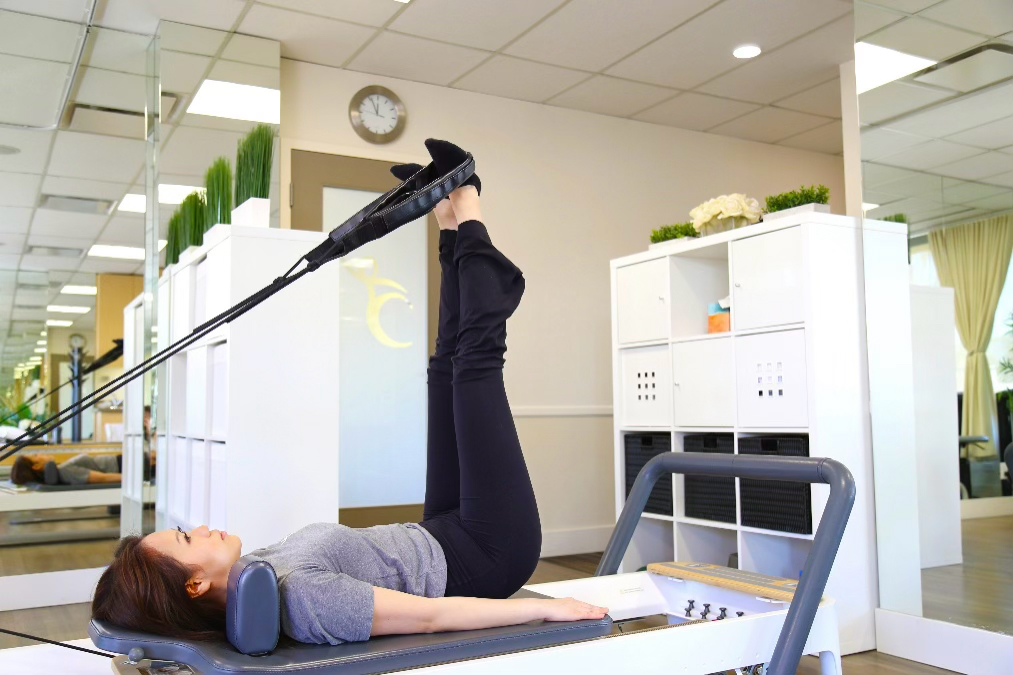
One of the biggest benefits of Clinical Pilates is the individualized approach.
A physiotherapist begins by assessing your movement, strength, mobility, injury history and personal goals. This helps identify areas that may benefit from additional support and ensures your exercise program is appropriate for your current abilities.
Because sessions are guided by a physiotherapist, exercises can be modified to accommodate existing injuries, physical limitations or changing symptoms, while still providing an appropriate challenge.
This can be particularly helpful if you:
- Are returning to exercise after a break.
- Experience recurring back, hip, knee or shoulder discomfort.
- Feel weaker or less confident with certain movements.
- Are unsure how to exercise while managing fatigue or other symptoms.
- Want guidance on improving strength, mobility and overall fitness.
Rather than following a one size fits all routine, Clinical Pilates provides a program designed around your needs, with guidance on how to progress safely and effective.
Is Clinical Pilates Enough? The Importance of a Well Rounded Exercise Routine
Clinical Pilates can be an excellent way to introduce movement, build foundational strength and improve mobility, particularly if you’re returning to exercise or managing discomfort.
However, Pilates should not be considered a replacement for progressive resistance training or other recommended physical activity.
During perimenopause, maintaining muscle mass and supporting bone health become increasingly important. Progressive resistance training, which involves gradually increasing the challenge placed on your muscles, plays an important role in maintaining muscle strength and supporting bone health. [2]
A well-rounded exercise routine may include:
- Clinical Pilates: To develop foundational strength, mobility, movement control and body awareness.
- Resistance training: To progressively build and maintain muscle strength.
- Aerobic activity: Such as walking, cycling, swimming or other activities you enjoy to support cardiovascular health.
The Canadian 24-Hour Movement Guidelines recommend that adults aged 18-64 aim for at least 150 minutes of moderate to vigorous aerobic physical activity per week, several hours of light physical activity throughout the week, and muscle strengthening activities at least twice per week. [1]
Clinical Pilates can complement these activities and may be a helpful starting point if you’re new to exercise or returning after a break.
Getting Started With Clinical Pilates
You don’t need to be strong, flexible or experienced with Pilates to get started. Clinical Pilates is designed to meet you at your current ability and provide a foundation for gradual progression.
Consistency is more important than intensity when starting out. Finding a form of movement you enjoy and can maintain is an important step towards supporting your health during perimenopause and beyond.
At Treloar Physiotherapy, our physiotherapists offer individualized Clinical Pilates programs designed around your needs, abilities and goals. We can help you find an approach to movement that supports you through perimenopause and beyond.
Frequently Asked Questions
Can Clinical Pilates help with perimenopause fatigue?
Regular physical activity can support overall well being and may help improve mood and sleep. Clinical Pilates can also help gradually rebuild strength and physical capacity. However, fatigue during perimenopause can have several contributing factors, so persistent or significant fatigue should also be discussed with your healthcare provider.
Is Clinical Pilates suitable if I haven’t exercised in a while?
Absolutely! Clinical Pilates can be adapted to your current fitness level, movement abilities and health history. It can be a great way to reintroduce movement, build foundational strength and gradually return to regular physical activity.
Do I need to choose between Pilates and strength training?
No. They can complement one another. Clinical Pilates can help develop foundational strength, mobility and movement control, while progressive resistance training provides an important stimulus for building and maintaining muscle strength. Combining these with regular aerobic activity can help create a well rounded exercise routine.
How often should I do Clinical Pilates?
This depends on your individual goals, current activity levels and overall exercise routine. Your physiotherapist can help determine an appropriate frequency and how to combine Clinical Pilates with other forms of exercise.
_______________________________
References
1. Canadian Society for Exercise Physiology (CSEP)
Canadian 24-Hour Movement Guidelines for Adults (18–64 years).
2. Morin SN, Feldman S, Funnell L, et al. (2023).
Clinical practice guideline for management of osteoporosis and fracture prevention in Canada: 2023 update. Canadian Medical Association Journal, 195(39), E1333–E1348.
[https://doi.org/10.1503/cmaj.221647]
3. de Almeida PP, de Oliveira RG, de Almeida LIM, de Oliveira LC. (2024).
Effects of Pilates exercises on health-related quality of life in postmenopausal women: A systematic review and meta-analysis. Quality of Life Research, 33, 2067–2079.
[https://doi.org/10.1007/s11136-024-03651-x]
4. Can E, et al. (2026).
Comparative Effects of Clinical Pilates Training and Aerobic Exercise on Menopausal Symptoms, Quality of Life, Sleep and Depression: A Randomised Controlled Trial. BJOG.
[https://doi.org/10.1111/1471-0528.70203]