Beyond Balance: Why Proactive Care is the Key to Maintaining Independence

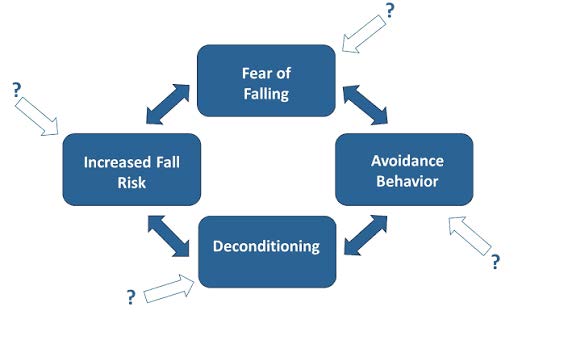
Falls are one of the most prevalent yet under discussed risks facing our aging population. About 1 in 3 Canadians aged 65 or older experience a fall each year, and falls are the leading cause of injury-related hospitalizations in this age group. Unfortunately, the consequences of a fall can extend well beyond the initial injury, often resulting in functional decline due to pain, weakness, reduced activity and a lingering fear of falling. This makes it increasingly important to be proactive about maintaining our strength and balance as we age. Falls are not an inevitable part of aging, and there is strong evidence that exercise and physical activity can help reduce fall risk. In fact, a 2019 study involving more than 23,000 adults over the age of 65 found that progressive exercise programs were associated with a 23% reduction in falls. One of the challenges with falls is that the fear of falling can create a difficult cycle. While being aware of the consequences of a fall can motivate us to take steps to prevent one, a significant fear of falling can also cause people to become less physically active. Over time, this reduced activity can lead to decreased strength, balance and overall functional capacity, ultimately increasing the risk of falling. This can then reinforce the fear of falling and continue the cycle.
Not every fall has an obvious cause. A person may lose their balance while walking, turning, getting up from a chair or navigating an unfamiliar environment without experiencing a clear slip or trip. Our ability to prevent a fall depends on many different systems working together, including our strength, balance, vision, vestibular system, coordination and ability to react to changes in our environment. This can make falls particularly difficult to prevent because there isn’t always one obvious thing to fix. For anyone experiencing a fear of falling, the goal shouldn’t be to avoid activity altogether, but rather to find activities that feel safe and manageable. Whether that is walking, water-based exercise, Tai Chi or supervised strength training, building a consistent habit of movement can be an important first step toward improving physical capacity and confidence.
Regular physical activity is one of the most effective ways to improve many of the factors that contribute to fall risk. Research has shown that exercise can improve lower-body strength, aerobic capacity, functional independence, balance and even aspects of cognitive function. The World Health Organization recommends that adults aged 65 and older participate in at least 150 minutes of moderate-intensity aerobic physical activity each week, along with activities that strengthen the muscles and challenge balance and functional movement. Despite these recommendations, only about 30% of Canadians aged 65–79 meet current physical activity guidelines. If you or a loved one are interested in becoming more active, a physiotherapist or kinesiologist can help determine an appropriate starting point, safely progress your activity and help turn exercise into a consistent and enjoyable part of your life.
What does good balance training look like?
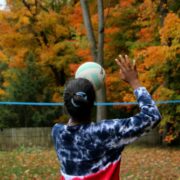
The best balance program is one that is done consistently and provides an appropriate challenge. For some people, that may mean standing with their feet together, while for others it may involve standing on one leg or performing movements on an unstable surface. The key is that the exercise should be challenging enough to stimulate improvement while still being performed safely. As your balance improves, exercises can gradually become more difficult so that your nervous system continues to adapt. There are many different ways to challenge your balance. This might include static balance, such as standing on one foot; dynamic balance, such as tandem walking (walking heel-to-toe); or combining balance with coordination, such as standing on one leg while playing catch. We can also incorporate head movements during walking, such as looking from side to side while navigating your environment. These exercises are useful because they more closely reflect the demands of everyday life. We rarely stand perfectly still when we are moving through the world—we may be talking to someone, looking to the side, stepping over an obstacle or navigating an uneven surface. Training these situations in a safe and controlled environment can help prepare us for the challenges we encounter in everyday life.
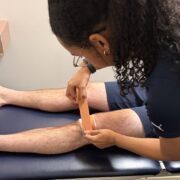
Another excellent option is Tai Chi, which combines controlled movements, weight shifting, coordination and balance. It can be a particularly accessible way to begin challenging balance and lower-body control while gradually building confidence with movement. One of the biggest challenges with exercise and fall prevention is knowing where your current abilities lie and what level of activity is appropriate for you. The goal is to provide enough of a challenge to create meaningful improvement without increasing the risk of injury or falling. A physiotherapist or kinesiologist can assess areas such as strength, balance, mobility and functional capacity, and use objective measures to identify areas for improvement and track progress over time. They can then help develop and progressively adjust an exercise program based on your individual abilities and goals. Because falls can have many contributing factors, they can also help identify when another healthcare professional or additional assessment may be appropriate.
The goal goes beyond preventing falls
Fall prevention is important, but the benefits of improving strength, balance and physical activity extend well beyond simply avoiding a fall. Maintaining these abilities can help older adults remain independent, continue participating in the activities they enjoy and maintain their quality of life. The World Health Organization describes this broader concept as intrinsic capacity—the combination of an individual’s physical and mental abilities that allows them to function and engage with their environment. Ultimately, investing in your strength and balance today is about protecting your freedom, confidence, and long-term quality of life.
By Jon Milks
Physiotherapist
Treloar Physiotherapy Clinic